Legal Wood Sourcing, Timber Certifications, and Why the Global Furniture Market Can No Longer Ignore Either
Every piece of furniture that made from legal wood starts with a tree. That sounds obvious — but the journey between that tree and the chair in your living room is longer, more complex, and more politically charged than most people realize.
Somewhere along that journey, a critical question gets asked: was this wood taken legally? From a forest that is managed, replenished, and protected? Or was it cut without permission, smuggled across borders, and laundered through supply chains that no one is watching?
The answer shapes everything — the health of global forests, the livelihoods of millions of forest workers, the compliance status of every furniture business importing into the EU or the US, and yes, the quality and conscience of what ends up in your home.
This article explains how the world has organized itself to answer that question — through certification systems, legal frameworks, and trade regulations that are now reshaping the global furniture market from the forest floor up.
Get more inspiration!
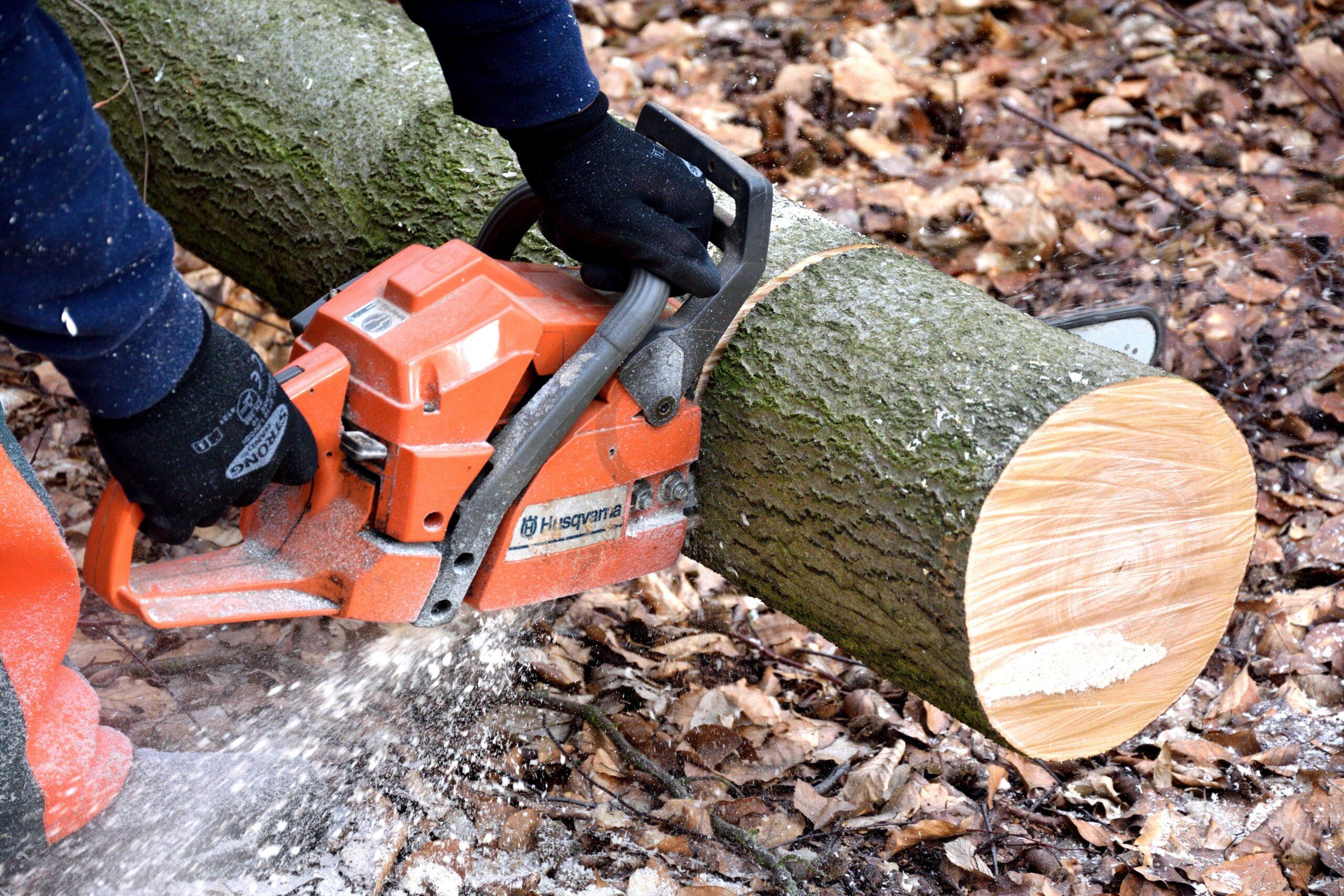
Image by Hans Linde from Pixabay
Why Does Wood Need to Be Regulated at All?
Wood is one of the most traded commodities on Earth. Timber, furniture, flooring, paper, plywood — these products move across hundreds of countries and involve millions of players in their supply chains.
The problem is that trees are also one of the most valuable resources that can be stolen. Illegal logging — harvesting timber in violation of national laws — is a global criminal industry. Estimates suggest it costs governments between USD 10 and 15 billion in lost revenue every year, and illegal timber has been found to make up as much as 73% of total timber use in Indonesia at its worst point, and up to 80% in parts of Brazil.
Why Illegal Timber Is Economically Dangerous
Illegally sourced timber is estimated to cost around 16% less than legal wood. That price gap distorts global markets, undercuts legitimate producers, and gives criminal operators a competitive advantage over honest businesses.
The damage goes beyond economics. Illegal logging drives deforestation, destroys biodiversity, displaces indigenous communities, accelerates climate change by releasing stored carbon, and funds corruption and violence in forest-rich regions.
Because wood is a raw material that feeds dozens of industries — including the global furniture trade — regulators in major importing countries began to realize that the only way to stop illegal timber was to close the markets that bought it. If you cannot sell illegal wood, there is less reason to cut it.
That realization led to a wave of laws, trade agreements, and certification systems that now govern how wood is sourced, verified, labeled, and sold internationally.
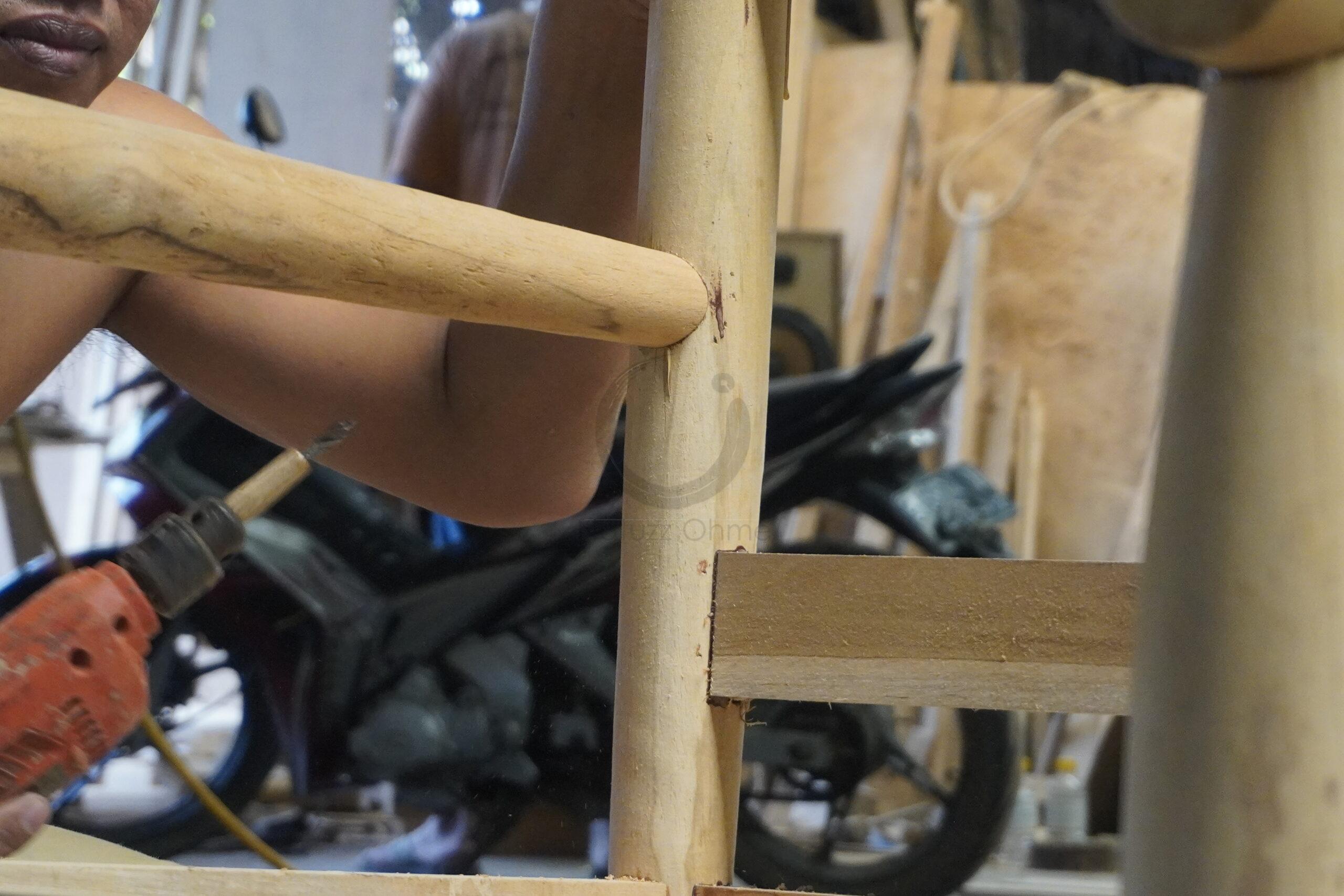
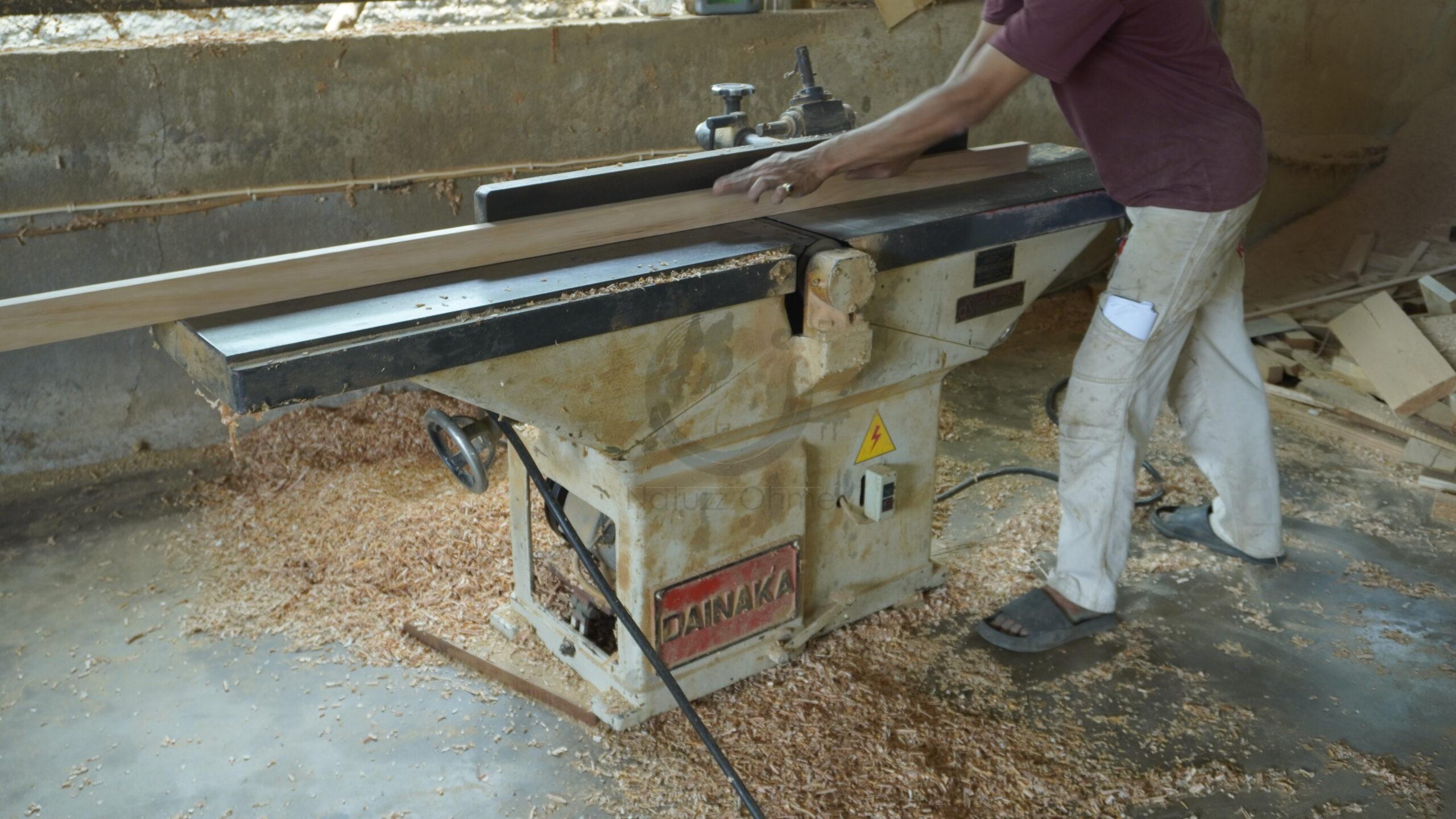
Furniture Factory Made Sustainable Furniture
The Legal Woods Laws That Changed Everything
Starting in 2008, the world's largest furniture-importing regions passed legally binding regulations that made it illegal to sell or import timber that could not be proven legal at its source.
The Lacey Act Amendment — United States, 2008
The United States was the first country in the world to ban the import and sale of illegally sourced timber. The 2008 amendment to the Lacey Act requires anyone importing wood products into the US to declare the species, country of harvest, and value of the timber, and to exercise due care that the wood was legally harvested.
The consequences are serious. After the Lacey Act amendment, the US saw an estimated 32–44% decline in illegal timber imports. Companies that have gotten it wrong have faced enormous penalties — one major case resulted in fines exceeding USD 13 million.
The EU Timber Regulation — European Union, 2013
The European Union Timber Regulation (EUTR) followed in 2013, requiring operators placing timber on the EU market to maintain a full due diligence system — meaning they must gather information on their supply chain, assess the risk of illegal sourcing, and take steps to mitigate that risk. The regulation covers a wide range of products, including solid wood, plywood, sawn wood, and furniture.
Enforcement has grown steadily. Furniture retailer Lombok became the first UK business fined under the EUTR, and penalties in some cases have reached €80,000 or more. The EU is now replacing the EUTR with an even stronger framework — the EU Deforestation Regulation (EUDR) — which is expected to enter full application by December 2026 and will require proof that products are not just legal but also deforestation-free.
Other National Regulations
The US and EU were not alone. Australia passed its Illegal Logging Prohibition Act in 2012. South Korea introduced its Sustainable Timber Use Act. Japan adopted the Clean Wood Act. The United Kingdom, after Brexit, mirrored the EUTR with its own UK Timber Regulation. Together, these laws created what researchers now call a "globally converging compliance landscape" — a set of interlocking rules that require the global wood trade to prove its legality at every step.
What This Means for Furniture Businesses
If you manufacture, import, or sell wood furniture to the EU, US, UK, or Australia, you are already operating in a regulated market. Certification is not optional — it is the price of market access.
SVLK and FLEGT: Legal Wood Certifications, and Indonesia's Answer to the World
Indonesia is one of the world's most important sources of tropical hardwood. It is also a country that historically struggled with illegal logging. The scale of the problem prompted Indonesia to build one of the most comprehensive national timber legality systems anywhere in the world.
What Is SVLK?
SVLK stands for Sistem Verifikasi Legalitas Kayu, which translates to Timber Legality Verification System. Introduced in 2009 and made mandatory for all timber exports in 2013, SVLK is Indonesia's national framework for verifying that wood products come from legal, documented, and traceable sources.
Under SVLK, every stage of the legal wood supply chain is checked and recorded — from the forest concession where the tree was harvested, through transportation and processing, all the way to the export document. Third-party auditors conduct regular assessments and issue certificates only when a company can prove full compliance. There is no self-certification, and there are no shortcuts.
SVLK covers all timber exports from Indonesia — plantation forests, natural forest concessions, and smallholder operations. Its scope is total, which is why international regulators trust it.
What Is FLEGT in Legal Wood?
FLEGT stands for Forest Law Enforcement, Governance and Trade. It is the European Union's international program for building partnerships with timber-producing countries to ensure legal trade. The EU signed a Voluntary Partnership Agreement (VPA) with Indonesia in 2013, and in 2016, Indonesia became the first country in the world to receive full FLEGT licensing recognition from the EU.
This recognition has a practical, powerful consequence: timber and furniture exported from SVLK-certified Indonesian manufacturers with a FLEGT License enters the EU market without any additional due diligence checks. The license is considered proof of legality. For non-EU markets, the equivalent document is called a V-Legal Document, which carries the same assurance.
Indonesia's Historic Milestone
In 2016, Indonesia became the first — and still one of very few — countries in the world to receive FLEGT licensing recognition from the EU. This means Indonesian timber certified under SVLK is accepted as fully legal in the European market without additional checks.
The SVLK and FLEGT framework transformed Indonesia's position in the global furniture market. Since its implementation, Indonesian timber exports grew significantly, and certified Indonesian furniture has become increasingly preferred by European and international buyers over non-certified alternatives.
The Major Legal Wood Certifications Explained
Beyond national systems like SVLK, several international certification bodies have established standards that timber and furniture producers can voluntarily achieve. These certifications are recognized globally and signal to buyers that a product meets specific environmental, social, and legal standards.
| Certification | Who Runs It | Main Focus | Recognition |
|---|---|---|---|
| FSC | Forest Stewardship Council (International) | Sustainable forest management + full chain of custody | Global — most widely recognized |
| PEFC | Programme for the Endorsement of Forest Certification (Switzerland) | Umbrella body endorsing national schemes worldwide | Global — largest by certified area |
| SFI | Sustainable Forestry Initiative (USA/Canada) | North American forests, fiber sourcing, biodiversity | US, Canada; PEFC-endorsed |
| SVLK / V-Legal | Indonesia Ministry of Environment & Forestry | Timber legality verification — mandatory for all Indonesian exports | EU (FLEGT), US, Australia, global |
| CSA SFM | Canadian Standards Association | Canadian sustainable forest management, biodiversity, social values | Canada; PEFC-endorsed |
| ATFS | American Tree Farm System | Small family-owned forests in the US | USA; PEFC-endorsed |
| OLB | Origine et Légalité des Bois (Bureau Veritas) | Legality and traceability of forest products origin | EU, primarily for trading companies |

Caption for all four images
FSC — Forest Stewardship Council for Legal Wood
FSC is the most widely recognized forest certification in the global furniture trade. Founded in 1993, it sets standards for responsible forest management and chain-of-custody tracking — meaning FSC certification follows the wood from the forest all the way to the finished product. FSC is the only certification recognized by the US Green Building Council's LEED rating system for sustainable buildings, and it is frequently required by major European and North American furniture retailers.
FSC has two main types of certification: Forest Management (for the forests themselves) and Chain of Custody (for businesses that handle FSC-certified materials). A furniture manufacturer with FSC Chain of Custody certification can legally claim their products are FSC-certified on packaging and in marketing.
PEFC — Programme for the Endorsement of Forest Certification
PEFC is an umbrella organization based in Switzerland that endorses national forestry certification programs around the world. With over 800 million acres of certified forests, it is the largest forest certification system by area. PEFC is especially strong in Europe, and its mutual recognition of programs like SFI (North America) and CSA (Canada) means products can carry PEFC claims across different national systems. It is particularly suited to smaller, family-owned, and community forests.
SFI — Sustainable Forestry Initiative for Legal Wood Industries
SFI is a North American certification system covering over 364 million acres of certified forests. It is endorsed by PEFC, meaning SFI-certified products can carry PEFC claims internationally. SFI covers a broad scope: responsible forest harvesting, protection of water quality and biodiversity, outreach to small family forest owners, and training of harvesting professionals. It is recognized by the US Green Building Council and several other international sustainability frameworks.
Other Notable Systems of Legal Wood Certification
The CSA Sustainable Forest Management standard governs over 98 million acres of Canadian forest and is PEFC-endorsed. The American Tree Farm System (ATFS) covers small family forests in the US. The OLB standard (Origine et Légalité des Bois), run by Bureau Veritas, is used mainly by forest operators and traders who need to prove the legal origin of their products, particularly in EU markets.
How Certification of Legal Wood Changes the Furniture Market
Certification is not just a label — it is a market mechanism. Here is how it reshapes the global furniture industry in concrete, measurable ways.
Market Access for Legal Wood Is Now Conditional
Exporting wooden furniture to the EU, US, UK, or Australia without documentation of legal sourcing is no longer just risky — it is increasingly illegal. Businesses that cannot produce evidence of legal timber face rejected shipments, fines, and in serious cases, criminal prosecution. Certification provides that evidence in a form that customs authorities and regulators accept.
Certified Legal Wood Commodities Command Price Premiums
Certified wood products are consistently valued higher than uncertified alternatives in international markets. This is partly because they carry lower legal risk, and partly because sustainable sourcing has become a genuine purchase driver for consumers in Europe, North America, and beyond. Retailers and importers increasingly list certification as a non-negotiable sourcing requirement.
Supply Chain of Legal Wood Transparency Is a Competitive Advantage
Buyers — whether they are large retail chains or independent interior designers — increasingly want to know exactly where their furniture came from. Certification systems provide that traceability, which has become a powerful marketing and commercial tool. A piece of furniture with a documented chain of custody, from plantation to finished product, is easier to sell, easier to justify to customers, and more defensible in a due diligence audit.
Uncertified Legal Wood Competitors Are Losing Ground
The tightening of regulations in major importing markets is squeezing out suppliers who cannot — or will not — document their sourcing. The EU Deforestation Regulation, expected to fully replace the current EUTR by 2026, raises the bar even further by requiring not just legality but proof that products are deforestation-free. Businesses that have invested in certification are better positioned for this future than those who have not.
The Direction of Travel Is Clear
The global furniture market is moving toward full supply chain transparency. Regulations are getting stricter, not looser. Buyers are asking more questions, as they become more educated and aware. Certification is the infrastructure that makes it possible to answer those questions confidently.
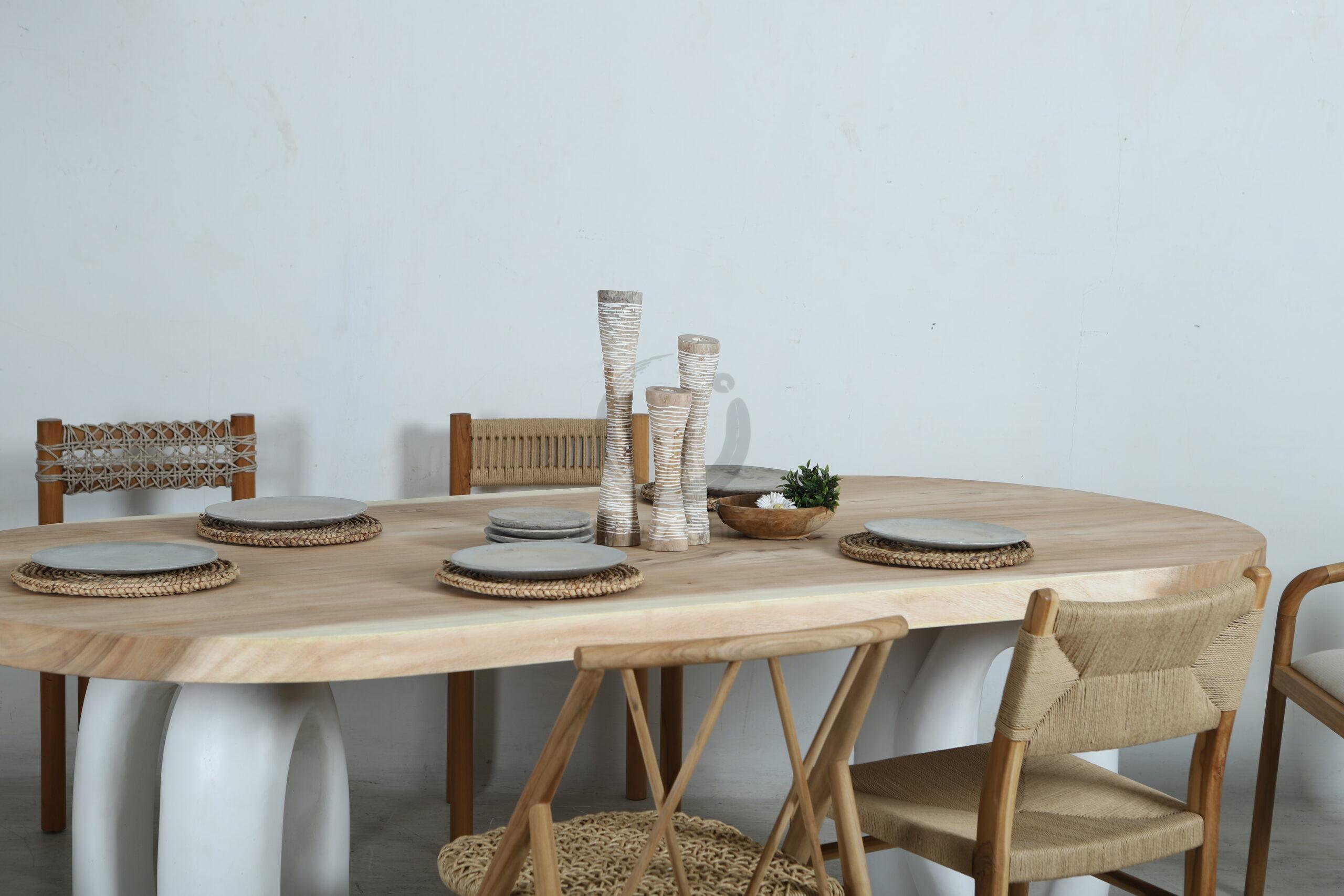
Natuzz Ohme Furniture From Sustainable Hardwood
What Buyers Should Actually Look for When Purchasing Furniture
If you are an importer, retailer, designer, or end consumer, here is what to actually check:
- Ask for the V-Legal or FLEGT License number — for Indonesian furniture, this is the primary proof of legality. It is verifiable through Indonesia's public SILK KLHK database.
- Look for FSC or PEFC chain-of-custody certification — these tell you the manufacturer has been independently audited and tracks certified materials through their entire process.
- Check whether the supplier has been audited by a recognized third-party body — not self-declared, but independently verified by an accredited certification organization.
- For EU imports, confirm the importer's due diligence system — under the EUTR, the operator placing goods on the EU market is legally responsible for that system.
- For US imports, verify that Lacey Act declaration requirements can be met — species, country of harvest, and harvest legality documentation should all be available.
- Ask about the source of the wood itself — plantation-grown or natural forest? Responsibly managed or high-risk area? A reputable supplier can answer this without hesitation.
The gold standard is a supplier who holds SVLK or equivalent national legality certification, carries FSC Chain of Custody certification, and can provide complete documentation from forest to finished product. These three together cover legal compliance, sustainability, and full traceability.
Conclusion: Why Certified Legal Wood Is the Only Kind Worth Choosing
The furniture you choose tells a story about what you value. Not just aesthetically — but in the most literal sense. Every piece of legal wood furniture in the world was once a tree. The only relevant question is whether that tree was part of a system that will ensure there are more trees, in healthier forests, for generations to come — or whether it was just taken.
Legal wood sourcing, timber certification, and trade regulation are the infrastructure that makes it possible to answer that question honestly. They are not bureaucratic obstacles. They are the minimum standard a serious furniture market has set for itself, and they will only become more rigorous over time.
For buyers, certification means confidence — that what you purchase is clean, documented, and compliant. For suppliers, it means access — to the markets, buyers, and customers who are increasingly unwilling to accept less. For forests, it means survival.
At Natuzz Ohme, these are not ideas we came to recently. They have been part of our foundation for over a decade.
We are an Indonesian furniture manufacturer and exporter specializing in natural materials — hardwood, teak, rattan — sourced from eco-friendly plantations with full legal traceability. We hold FSC Chain of Custody certification, meet ethical production standards, and carry the SVLK documentation required for global export compliance. Every container we ship — and we ship over 46 a month — is backed by complete certification records.
But beyond the paperwork, our work is driven by something more specific: a belief that the real beauty of wood does not need to be hidden. Our furniture is built with natural finishes and unfinished textures that let you feel the actual surface of the material — the grain, the warmth, the weight of legal wood that came from a real place and was treated with real care.
If you are looking for furniture that is as honest about its origins as it is beautiful in your space, we would like to show you what that looks like.
References
- ScienceDirect — The Impact of Timber Regulations on Timber and Timber Product Trade (2023)
- European Commission — EU Rules Against Illegal Logging (FLEGT & EUTR)
- European Parliament — Internal and External Dimension of Illegal Logging: Legal Issues and Solutions
- Forest Policy Group — EU Timber Regulation (EUTR) Overview
- MDPI Forests — Effect of Timber Legality Requirement System on Lumber Trade (2023)
- ScienceDirect — Trade Effects of Lacey Act on China's Forest Product Exports (2023)
- CIEL — Tackling the Trade in Illegal Timber
- Tracex Technologies — Illegal Logging in the Timber Industry: Risks, Regulations & Compliance (2026)
- Vermont Woods Studios — 5 Wood Sourcing Certifications for Sustainable Furniture
- Build With Rise — Wood Certification Programs and Sustainable Forestry
- NSF International — Certifications for Sustainable Forestry Operations
- Bureau Veritas — Sustainable Forestry Certification (FSC, PEFC, OLB, SFI)
- Indonesia SILK KLHK Portal — SVLK Certificate Verification (Public Database)
- FLEGT IMM — Communicating SVLK's All-Round Environmental Credentials

'/%3E%3Ctext x='50%25' y='50%25' font-family='Arial,sans-serif' font-size='18' fill='%23166534' text-anchor='middle' dy='.3em'%3ENo Image%3C/text%3E%3C/svg%3E)