Craftsmanship With No Expiry Date: The Materials Behind Decades Forward
Durability is not an accident. It is built through every decision, material by material and joint by joint.
Almost anyone can make a piece of furniture that looks good at first glance. But what separates furniture that lasts for a decade from furniture that needs replacing after a short time often comes down to a decision made long before assembly begins: which material should be used, and why?
At Natuzz Ohme, we keep that decision simple. We return to the same key considerations every time.
Get more inspiration!
Teak: built to age, not just to look good
Teak’s reputation is not just hype. It has been earned over generations.
Teak contains natural oils that help the wood resist water, rot, and insects, which is one reason it has long been a trusted material for outdoor furniture. When exposed to sun, rain, and humidity, teak is made to handle the conditions well.
Over time, its surface naturally develops a silver-grey patina. For many people, this is not seen as a flaw, but a part of teak’s beautiful character and the way it ages.
That is the distinguishing factor of a material that tolerates outdoor use and one that is well suited for it.
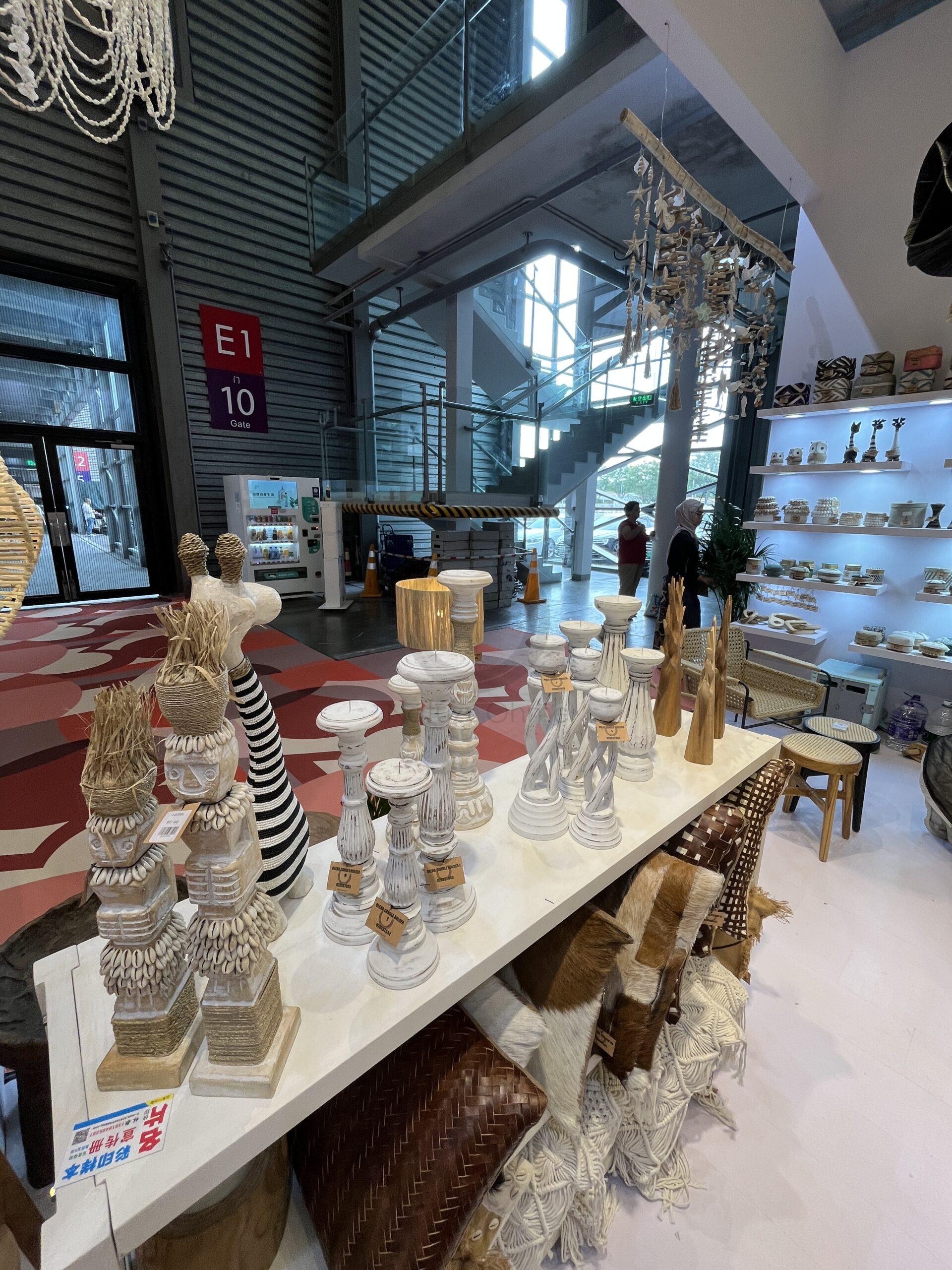
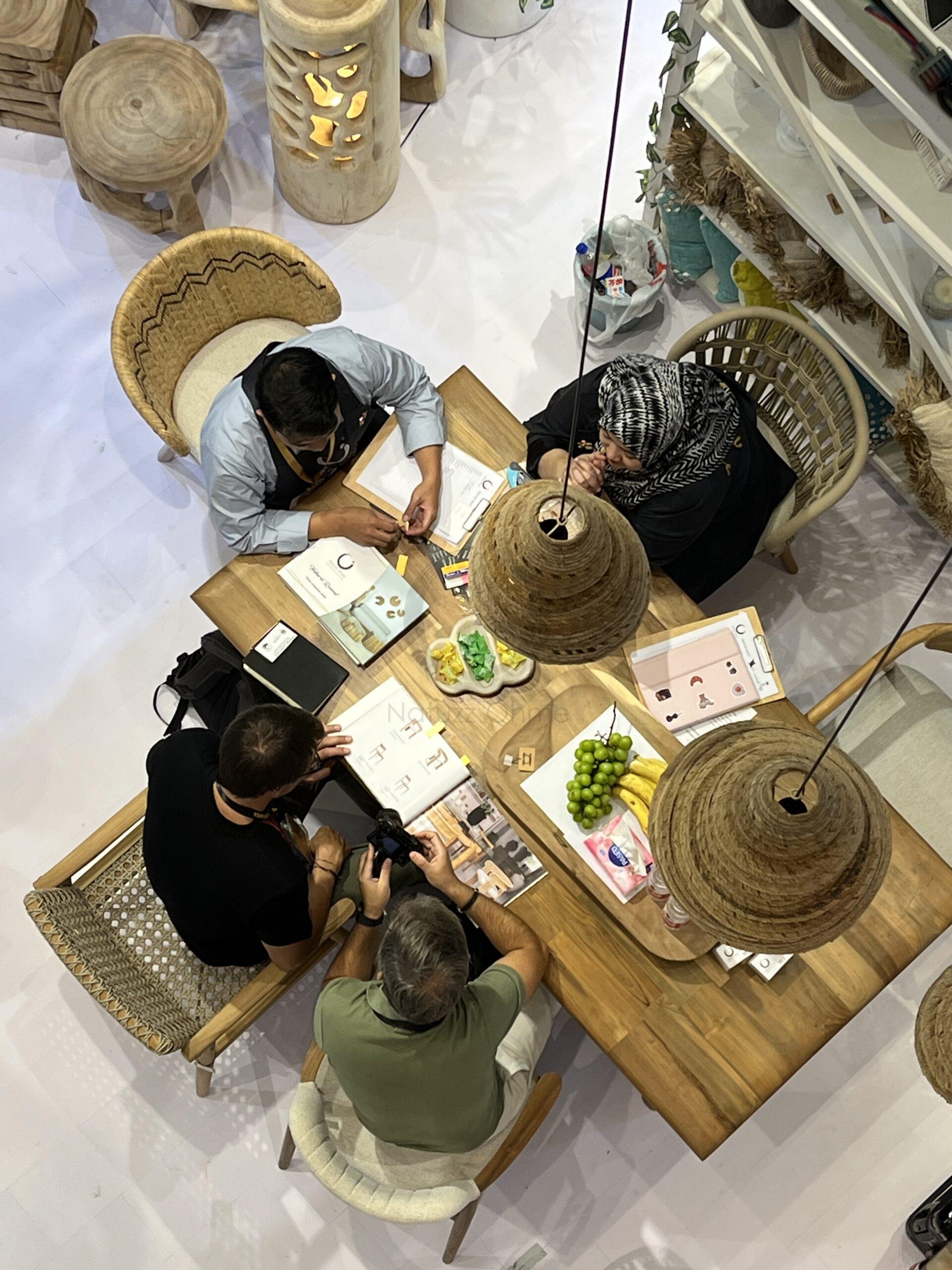
Natuzz Ohme Furniture China 2026 - Home Furnishing
Mindi and munggur: dependable structure, worked by hand
While teak takes care of the outdoor side, Mindi and Munggur play an important role in many of our indoor pieces and structural frames.
Both are fast-growing hardwoods, which makes them a more sustainable option compared with slower-growing timbers that need many years before they are ready to harvest. In our workshops, we also value Mindi and Munggur for how easy they are to work with.
They perform well in joinery, respond nicely to hand-finishing, and have natural grain patterns that give each surface its own character. More importantly, they help us build furniture that feels solid, dependable, and well made.
Rattan and bamboo: light, renewable, and woven right
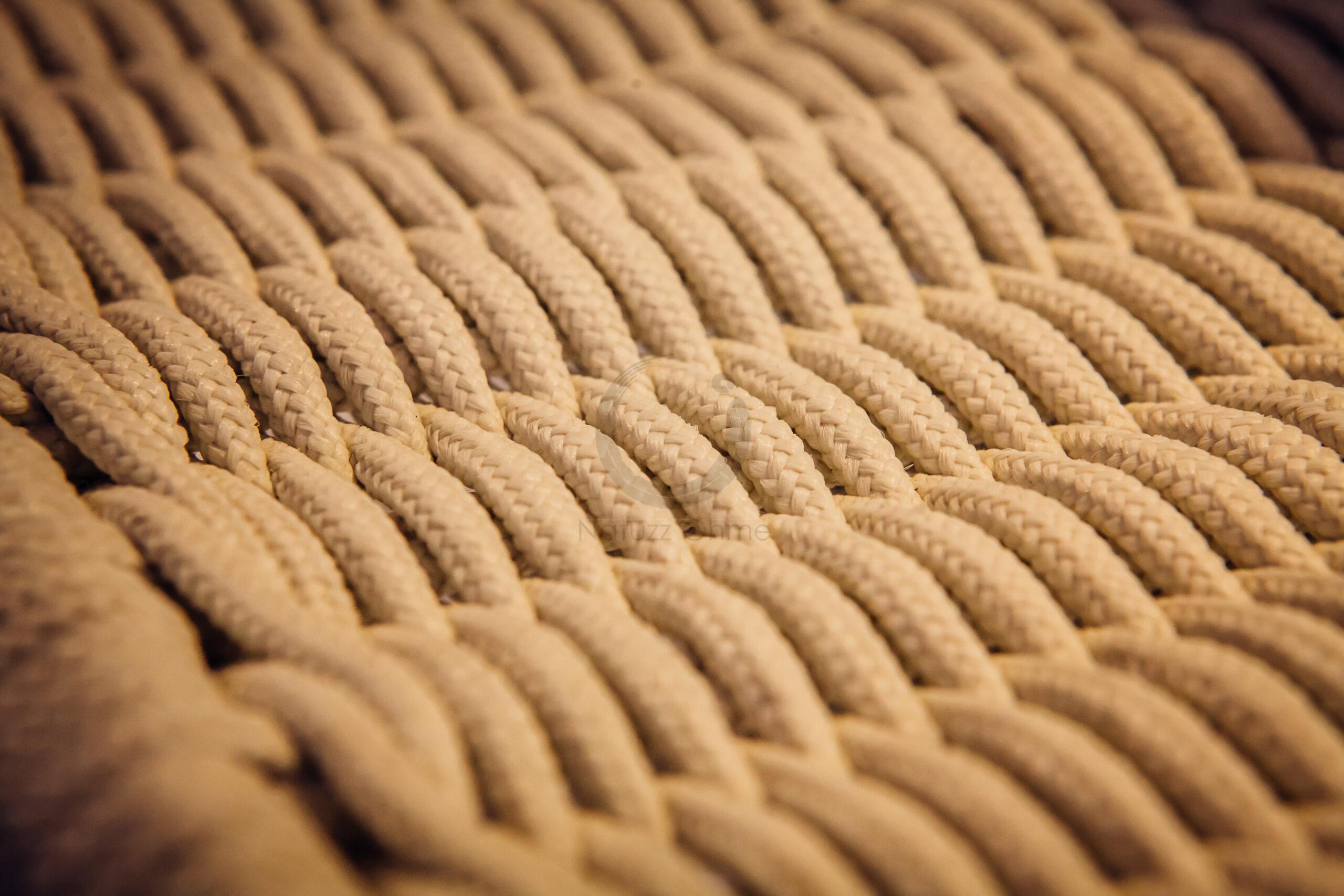
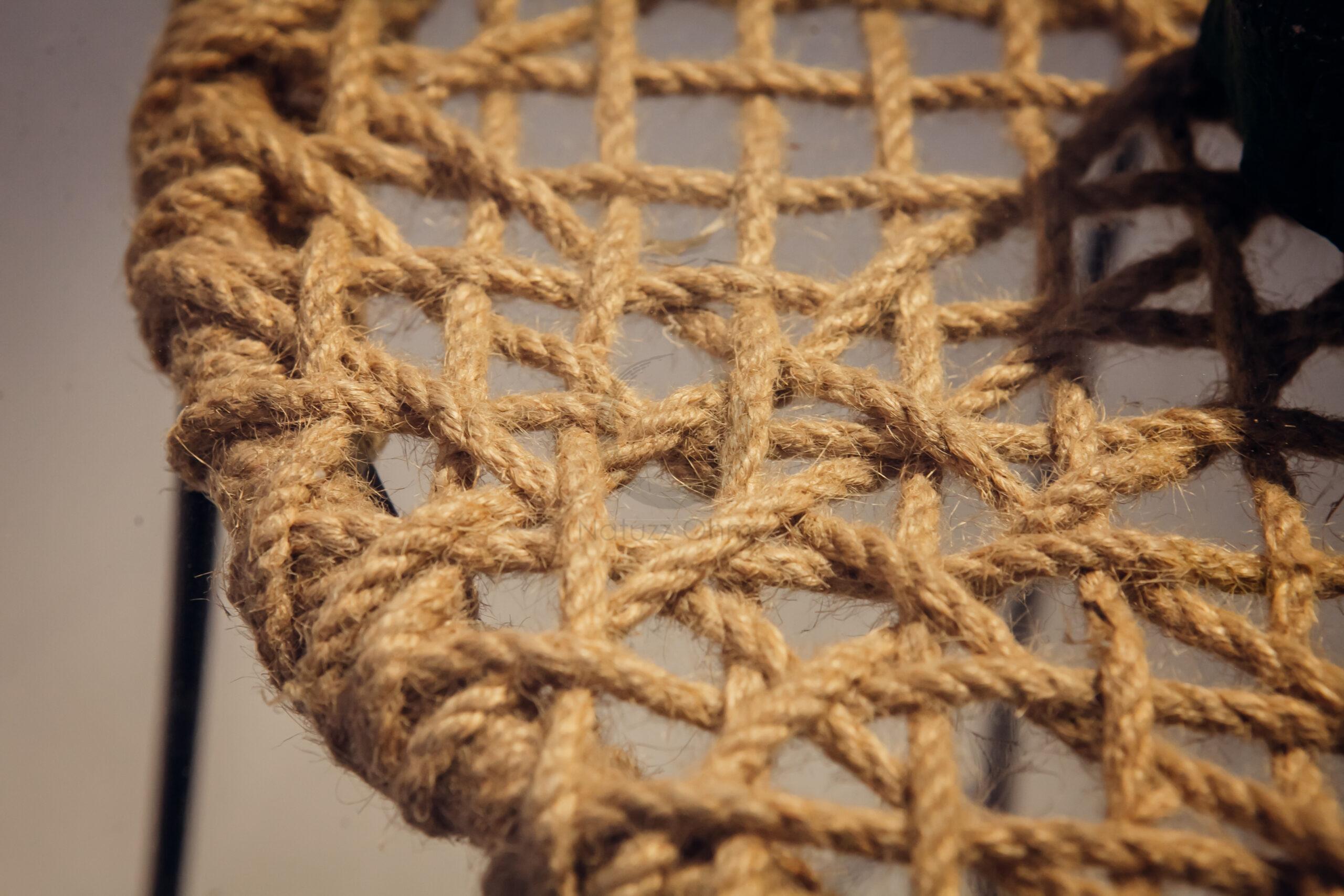
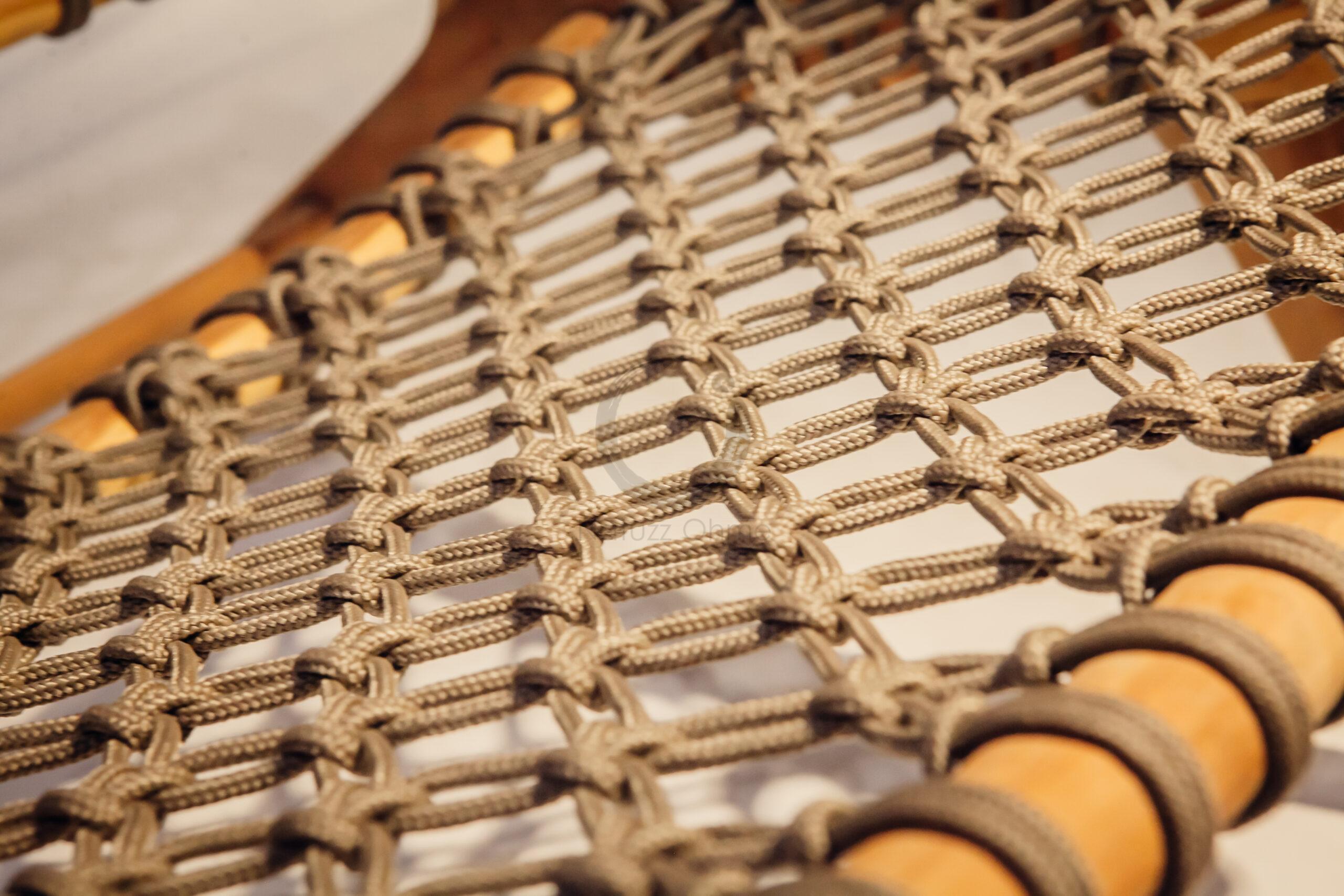
Rattan and bamboo are among our favourite materials because they serve a very different purpose. Both are fast-renewing, lightweight, and flexible, which makes them especially suitable for woven details across many of our products, including furniture, hanging lamps, and table lamps.
Their main advantage is not their weight, but how well they can be shaped and woven by hand. When bamboo and rattan are worked carefully, they can hold their form and structure for many years. But when the weaving is done poorly, it is often one of the first parts to loosen or fail.
That is why, at Natuzz Ohme, much of this work is still done by hand rather than fully automated. For us, the quality of the weave depends greatly on the skill and attention of the craftsman behind it.
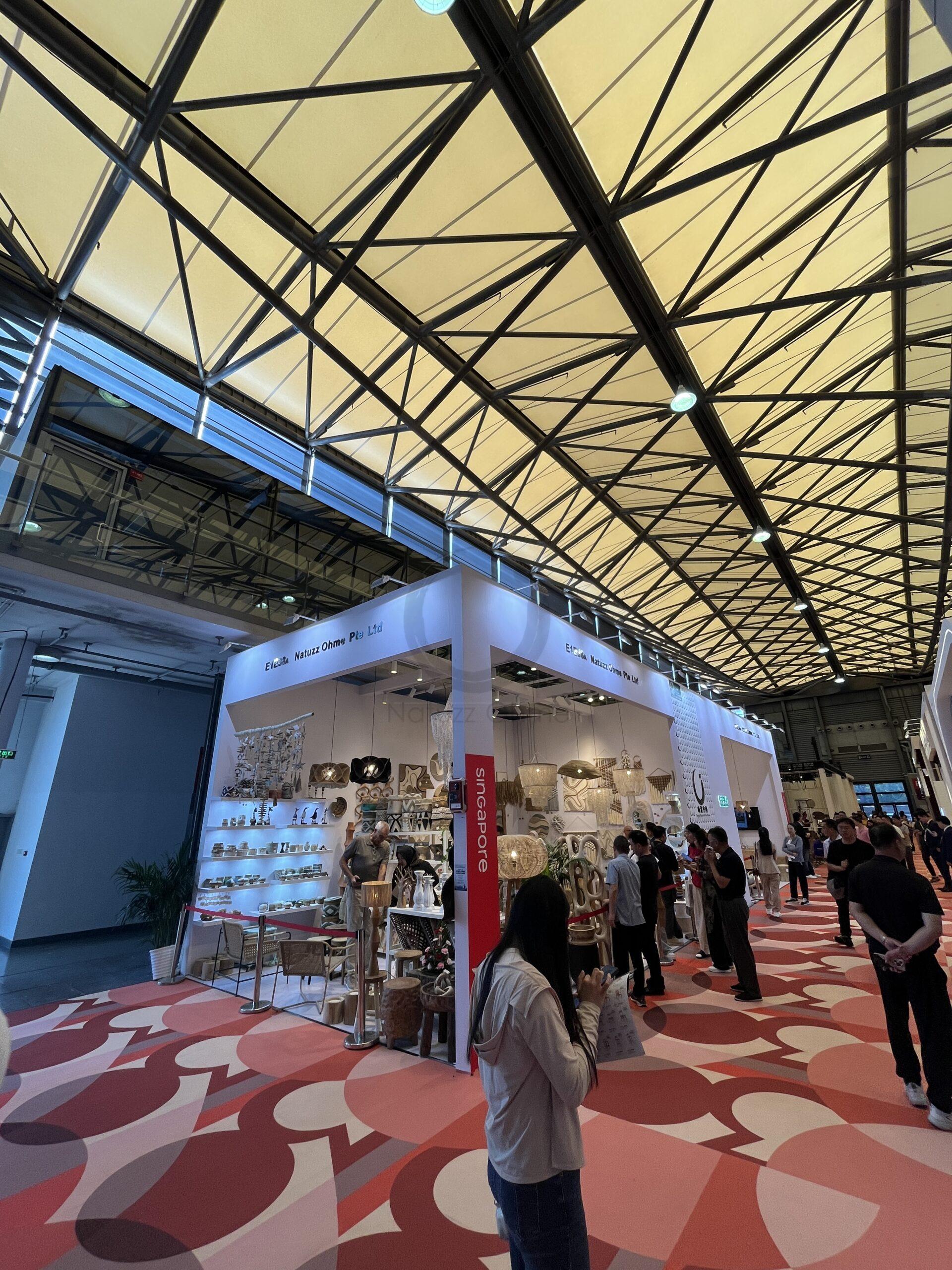
Natuzz Ohme Full Booth at Furniture China
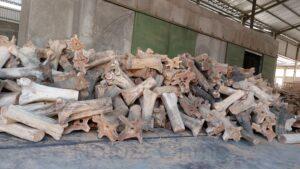
Petrified wood: a material that's already proven itself
Petrified wood is a little different from the other materials on this list, and we think it is worth explaining why it has a place here.
Petrified wood is formed when wood gradually becomes mineralized over a very long period of time, under high temperatures and pressure. By the time it reaches a home, the material has already existed far longer than almost anything else in the room.
Because of its natural form and character, petrified wood is often best used in decorative or statement pieces. It does not need too much design around it. In many cases, its beauty comes from leaving it as close to its natural form as possible.
For us, it is a quiet reminder of what “built to last” can really look like.
Made to age beautifully, built to perform
None of the materials above are chosen simply because they are trendy. Each one is selected because it serves a specific purpose, whether that is weather resistance, structural strength, renewability, or long-term durability; and all are beautiful to look at.
Just as importantly, our craftsmen understand how to work with each material properly. Knowing the material, its strengths, and how it behaves over time is part of what makes the finished piece dependable.
For us, this combination of the right material and the right craftsmanship is what “made to age and still function for years to come” really means in practice. It is not just a tagline or a gimmick. It is simply the way we believe furniture should be made.
Quality doesn't end at the workshop
Good materials and good craftsmanship are not enough on their own to deliver high-quality, sustainable furniture. All of that matters only if the product arrives safely at its destination.
That is why our quality control does not stop at production. We also pay close attention to how each piece is packed, protected, and placed inside the container before it leaves our facility. In fact, we often work together with customers to receive feedback and constructive criticism once our products arrive in their warehouses.
Wooden packaging and containers follow the required fumigation and export procedures to help reduce the risk of pests, mold, or other problems during transportation. We also work to stay in line with international requirements and regulations for exporting wood-based products.
Because much of what we ship travels long distances by sea, proper handling and packaging are treated as part of the process, not as an afterthought. Each piece is secured, cushioned, and loaded with the journey in mind, so it can handle weeks, and sometimes months, in transit.
Durability and sustainability should not exist only inside the workshop. For us, they should continue throughout the entire journey, all the way to the customer’s door.
We Bring Our Best Quality Materials on Furniture China
See it, touch it, judge it yourself
Reading about material quality can only tell you so much. The real difference is something you can see and feel for yourself—the weight of the wood, the tightness of the weave, and the finish of the grain.
Meet Natuzz Ohme at Furniture China 2026, from September 8–11, at Hall E1, Booth E38A, SNIEC Shanghai.
Come see the materials behind Decades Forward up close, experience the craftsmanship for yourself, and talk with us about what we can build together next.