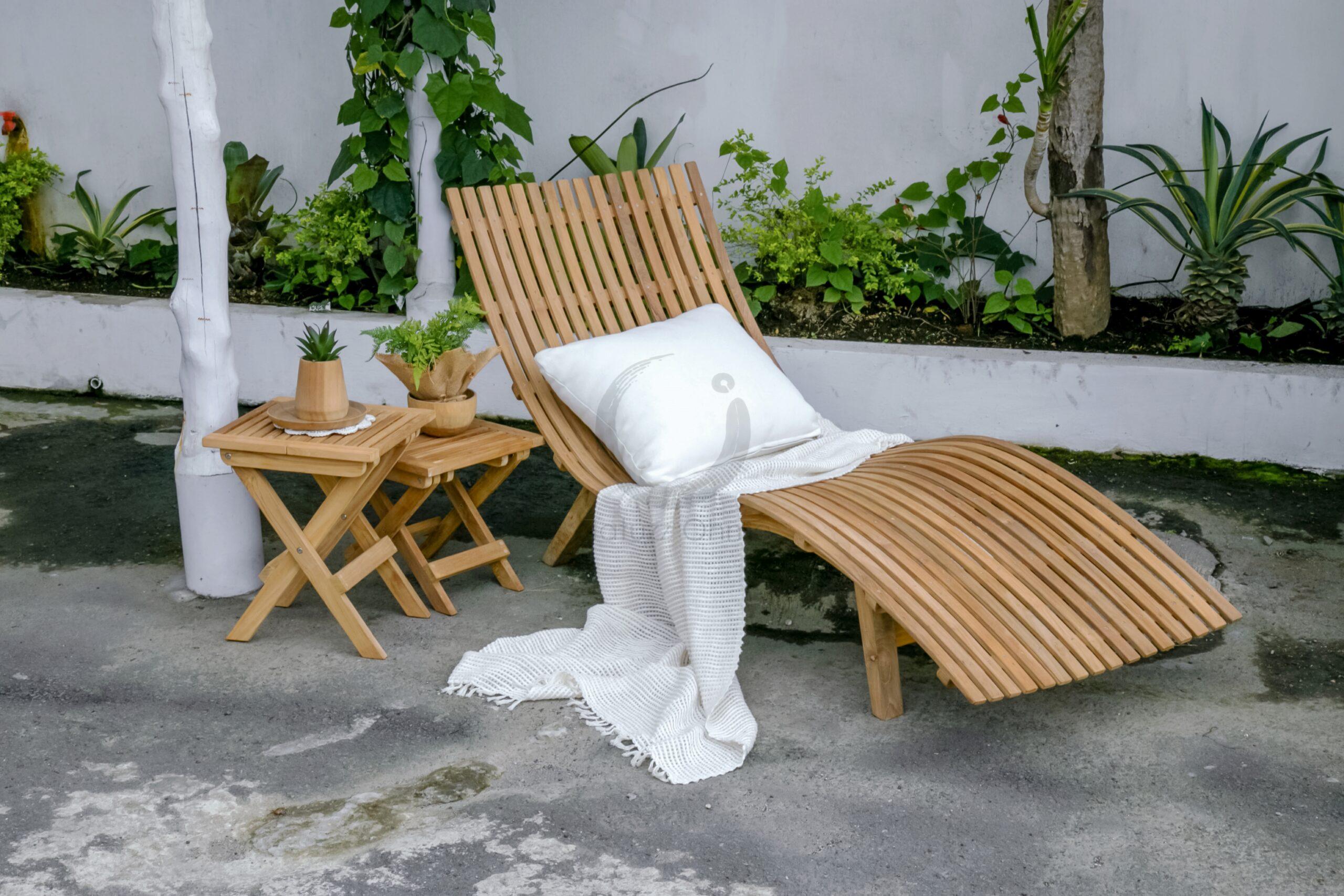
How to Polish Outdoor Furniture: The Complete Guide to Long-Lasting Furniture
You might have noticed it: after a season of rain, changing temperatures, and direct sunlight, your outdoor furniture no longer looks the way it did when you first placed it outside, for example, on a patio. The colour has faded. The surface feels rough. Perhaps small grey patches have begun to spread across the grain.
This is entirely normal — and entirely fixable. Polishing outdoor furniture is one of the most valuable things you can do to protect your investment and restore that warm, natural glow. Done correctly, it takes less than an afternoon and delivers results that last a full season.
At Natuzz Ohme, we have been manufacturing outdoor furniture from sustainably sourced hardwoods in Indonesia for over decades. We export to retailers, designers, and importers across Europe and worldwide. In this guide, we share the same care principles we give to every client who purchases our furniture.
Get more inspiration!
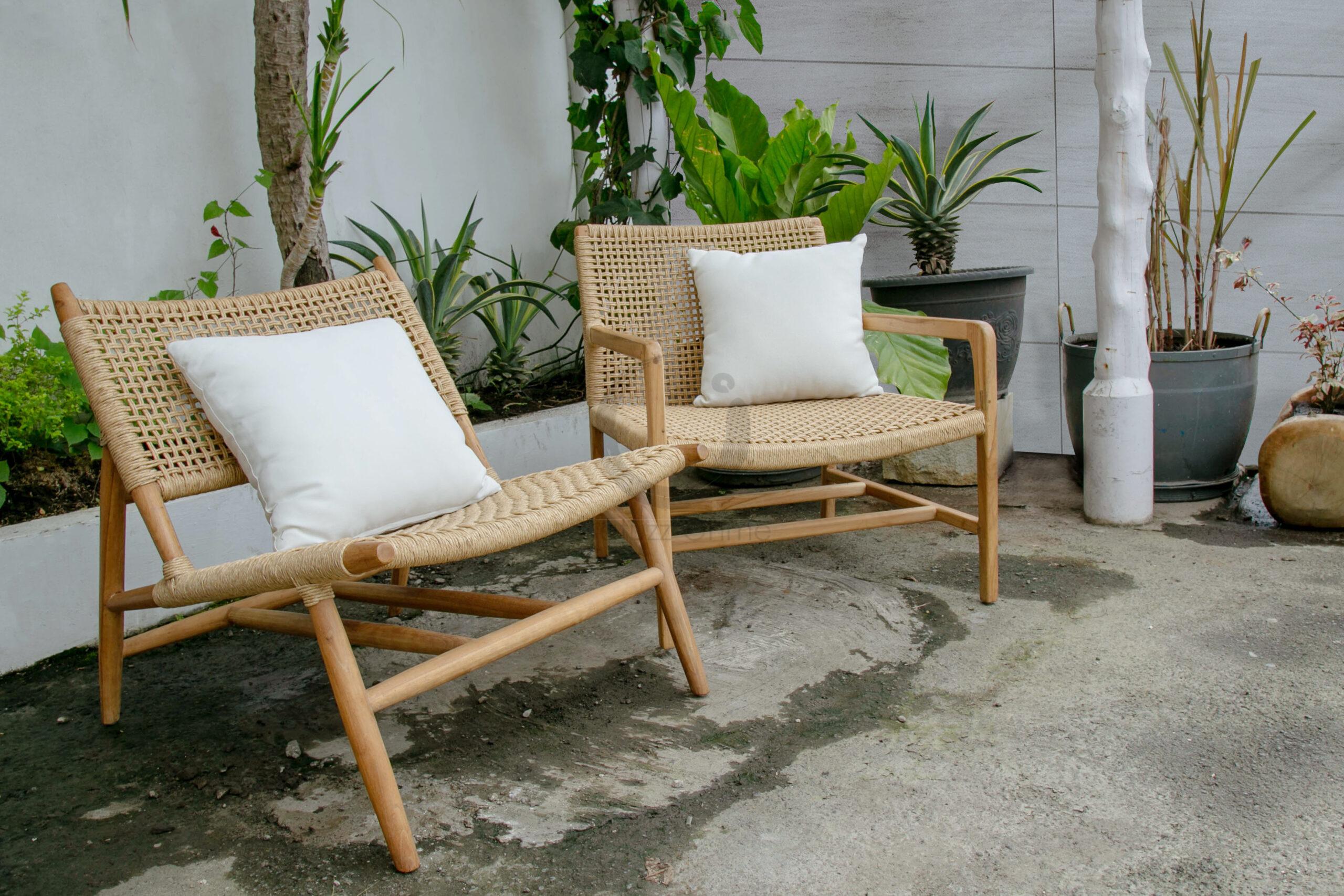
OCC Chair Outdoor Furniture Natuzz Ohme Collection
What You Need Before You Start Polishing Your Outdoor Furniture
Gather these materials before beginning. Having everything ready saves time and ensures the best result:
- Soft, lint-free cloths (old cotton t-shirts work perfectly)
- Fine-grade sandpaper (180–220 grit) for rough or weathered surfaces
- A soft-bristle brush for cleaning
- Mild soap or wood cleaner
- Teak oil or wood sealer (for teak and tropical hardwoods)
- Natural wax polish (for painted or lacquered surfaces)
- Clean bucket of warm water
- Breathable furniture cover (for storage after treatment)
Pro Tip — Know Your Wood First
The polish you use depends entirely on the wood type. Teak, acacia, and other tropical hardwoods need oil-based or sealer-based treatment. Painted or lacquered surfaces need wax polish. Using the wrong product can damage the finish rather than protect it.
Step-by-Step: How to Polish Wood Outdoor Furniture
Step 1 — Clean the Surface Thoroughly
Never polish over dirt. This is the single most common mistake, and it seals grime directly into the wood's finish — causing dullness rather than shine.
- Remove cushions and accessories from the furniture.
- Use a soft-bristle brush to remove loose dirt, dust, and cobwebs from all surfaces.
- Mix a small amount of mild soap or wood cleaner with warm water.
- Wipe down the entire surface with a damp cloth, working with the wood grain.
- For stubborn stains or mould, use a solution of one part white vinegar to four parts warm water.
- Rinse with clean water and dry immediately with a clean cloth.
- Allow the furniture to air dry completely — ideally for several hours in open air.
IMPORTANT
-
never use a pressure washer on outdoor wood furniture. High-pressure water forces moisture deep into the grain and strips natural oils, causing the wood to crack over time.
Step 2 — Sand Your Outdoor Furniture if Necessary
If your garden or patio furniture has become rough, grey, or has surface scratches, light sanding restores a clean base for the polish to work on.
- Use fine-grit sandpaper (180 to 220 grit) — nothing coarser.
- Always sand in the direction of the wood grain, never across it. Sanding against the grain creates visible scratches that polish will not hide.
- Use light, even strokes. You are not trying to remove a layer of wood — just smoothing the surface.
- After sanding, wipe away all dust with a dry cloth before moving to the next step.
When to Skip Sanding Your Outdoor Furniture
-
If your garden or patio furniture is relatively new or has only light weathering, skip sanding entirely. Sand only when the surface is visibly rough or grey. Over-sanding thins the wood over time and weakens the structure.
Step 3 — Choose the Right Polish for Your Wood Outdoor Furniture Type
There is no single product that works for all outdoor wood furniture. Choosing correctly makes the difference between a finish that lasts one season and one that lasts several years.
| Wood Type | Recommended Polish | Notes |
|---|---|---|
| Teak | Teak sealer or UV protector | Never use teak oil outdoors — it draws out natural oils and accelerates weathering |
| Acacia | Oil-based outdoor finish | Apply every 6–12 months depending on sun and rain exposure |
| Hardwoods (general) | Linseed or tung oil | Penetrates deeply, excellent UV and moisture resistance |
| Painted wood | Wax-based polish | Apply sparingly with a soft cloth, buff to shine |
| Lacquered wood | Water-based clear polish | Avoid oil-based products — they cloud the lacquer finish |
Step 4 — Apply the Polish
With a clean, lint-free cloth, apply your chosen polish in thin, even layers. Less is more — a thin coat absorbs properly and leaves no sticky residue.
- Apply a small amount of polish to the cloth — never directly onto the wood.
- Work in the direction of the wood grain using long, smooth strokes.
- For oil or wax polish, use light circular motions first to work the product in, then finish with straight strokes along the grain.
- Work in small sections to ensure even coverage.
- Allow the polish to absorb for the time specified on the product label — typically 5 to 15 minutes.
- For a second coat, allow the first to dry fully before reapplying.
The Grain Rule
-
Always polish with the grain — never against it. Rubbing against the grain traps product in the wood fibres, creates uneven shine, and leaves visible marks. If the grain direction is unclear, view the surface in natural light from a low angle — the lines become immediately visible.
Step 5 — Buff to Shine
Once the polish has had time to absorb, buffing brings out the final shine and removes any excess product.
- Take a clean, dry lint-free cloth.
- Buff the surface using firm circular motions.
- Check from multiple angles in natural light to ensure even coverage and no missed patches.
- For large surfaces like dining tables, work in sections to avoid uneven drying.
- If the surface still looks dull, apply a second thin coat, allow time for it to absorb, then buff again.
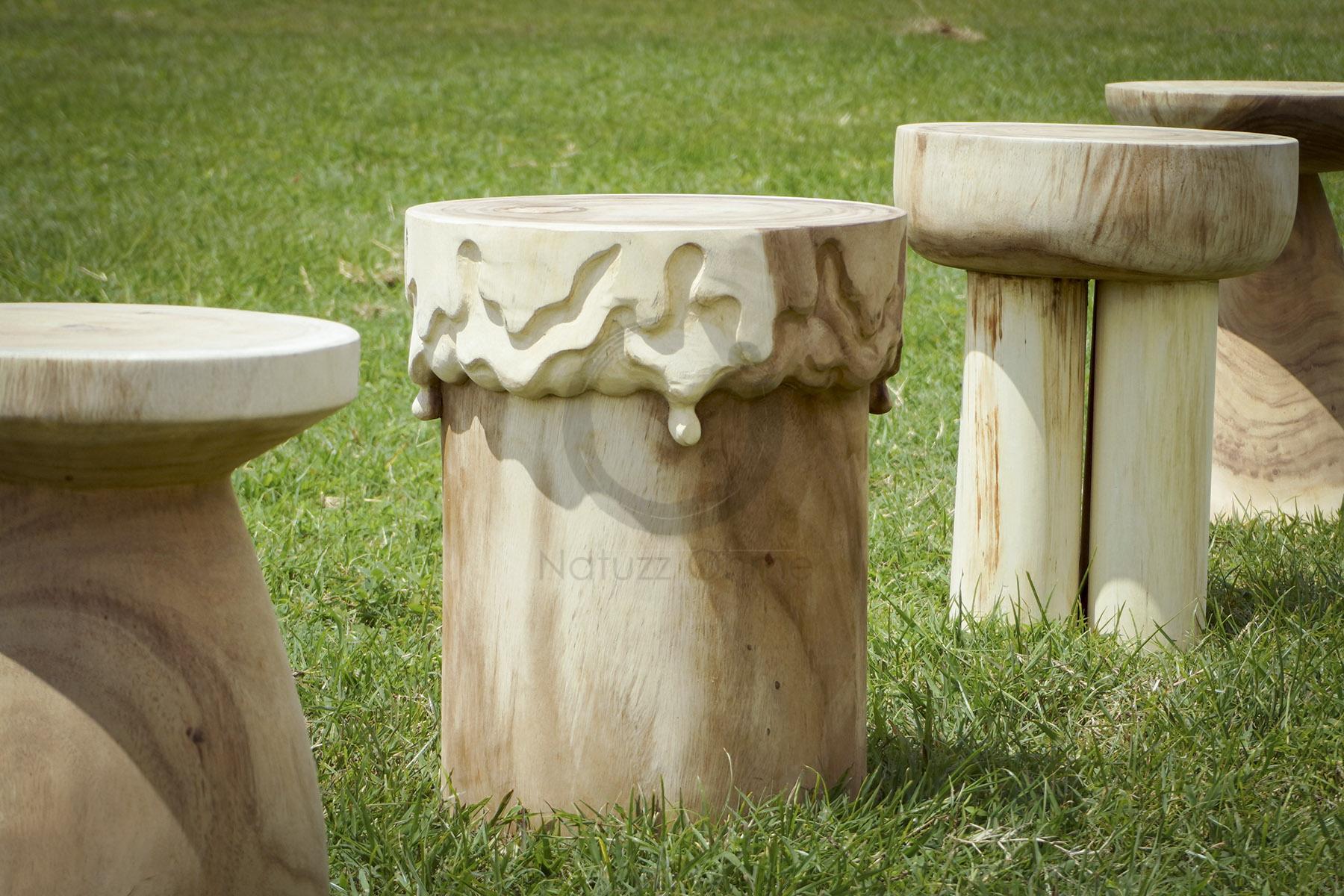
Natuzz Image Placeholder
Teak Furniture: Special Considerations
Teak deserves its own section because it is the most popular outdoor wood, and the most commonly misunderstood when it comes to care.
Teak is unique among outdoor hardwoods because it produces its own natural oils. These oils give teak its extraordinary resistance to rain, frost, and UV rays — making it ideal for many climates. However, this also means teak requires a different approach to polishing than most other woods.
The golden colour vs the silver patina
Fresh teak has a warm honey-brown tone. Left untreated outdoors, it naturally weathers to an elegant silver-grey over 6 to 12 months. Both are signs of healthy, high-quality teak — neither are signs of damage.
- To maintain the golden-brown colour: apply a teak protector or UV sealer every 6 to 12 months, starting from new.
- To allow the silver patina to develop: no treatment is required. Simply clean twice a year with mild soap and water.
Why you should never use teak oil on outdoor teak
One of the most widespread mistakes in outdoor furniture care is applying teak oil to outdoor teak. While teak oil works well on indoor pieces, it is counterproductive when used outside.
Applied outdoors, teak oil evaporates quickly under sun and rain — and as it evaporates, it pulls out the wood's own natural oils with it. Over time, this dries the wood from the inside, reduces its weather resistance, and creates the conditions in which mould and surface cracking develop. The furniture becomes dependent on repeated oiling just to maintain the condition it would have held naturally without any treatment.
For outdoor teak, always use a sealer or UV protector — not an oil. A sealer locks the wood's natural oils in place rather than displacing them.
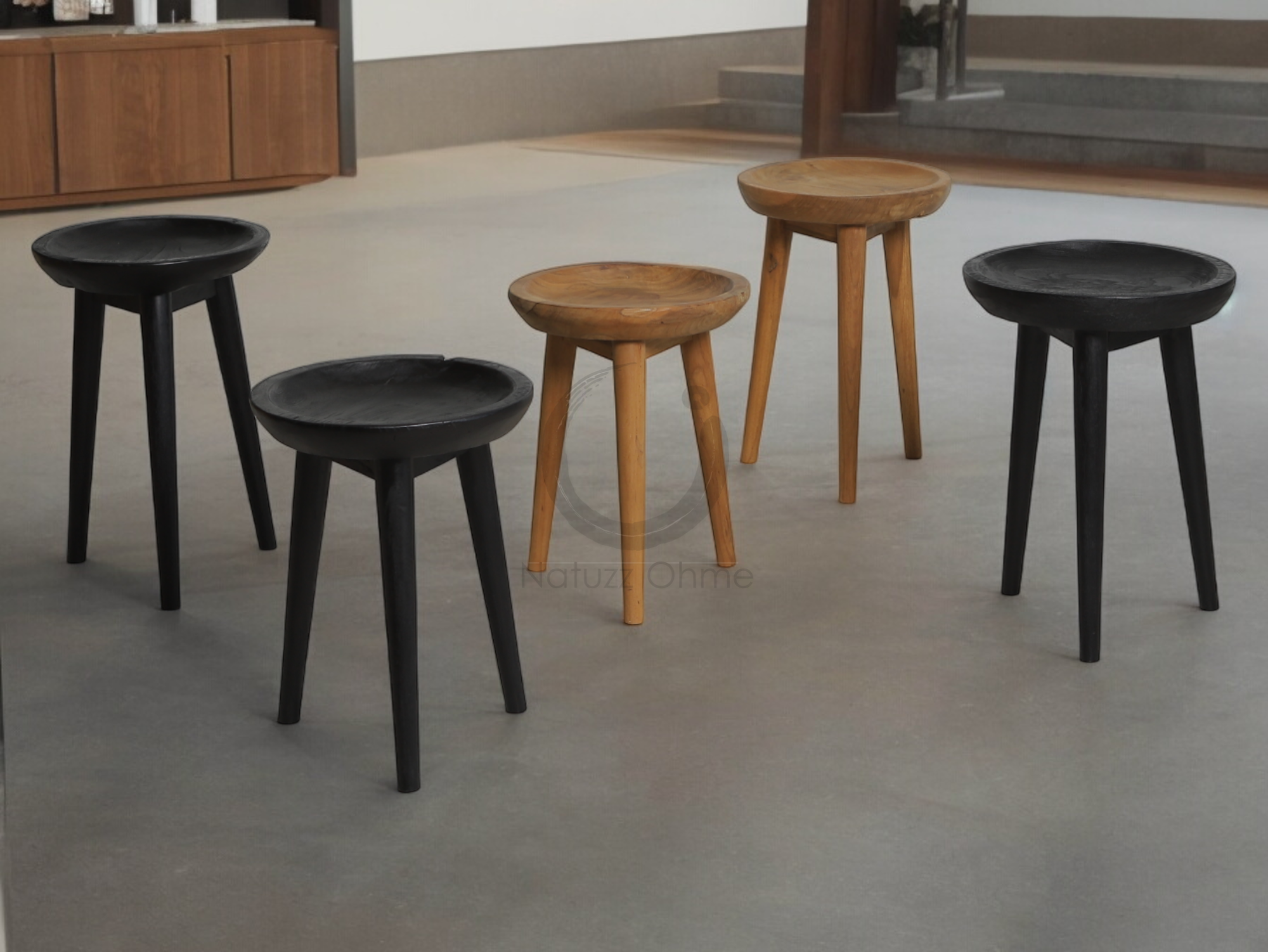
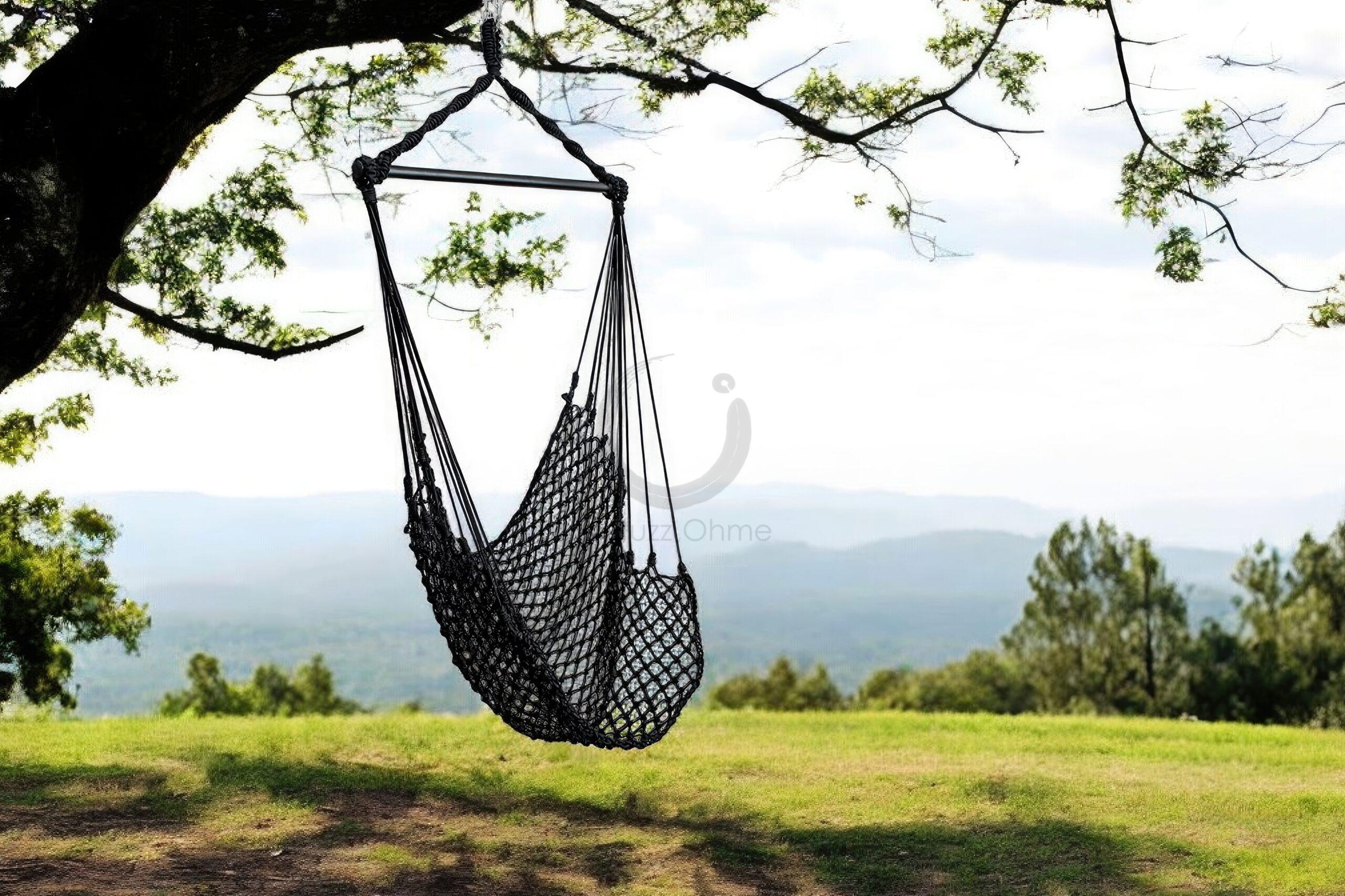
Various Collection Outdoor Pieces at Natuzz Ohme
How Often Should You Polish Outdoor Furniture?
In Europe, such as the Netherlands, the recommended schedule is:
| Season | Action | Why |
|---|---|---|
| Spring (March–April) | Deep clean + apply sealer or polish | Prepare furniture for heavy summer use and UV exposure |
| Summer (June–August) | Light clean every 2–4 weeks | Remove pollen, bird droppings, and food residue before they stain |
| Autumn (October) | Full clean + reapply sealer | Remove pollen, bird droppings, and food residue before they stain |
| Winter (Nov–Feb) | Store indoors or use breathable cover | Prevents frost damage, moisture ingress, and surface cracking |
Common Mistakes to Avoid When Polishing Outdoor Furniture
- Polishing over a dirty surface — always clean first, without exception
- Applying teak oil to outdoor teak — use a sealer or UV protector instead
- Applying too much product at once — thin coats always absorb and perform better than thick ones
- Using a pressure washer — it forces water into the grain and strips natural protective oils
- Skipping the buffing step — unabsorbed polish attracts dust and leaves a sticky surface
- Storing furniture under non-breathable plastic covers — this traps moisture and accelerates mould growth
- Using abrasive materials such as steel wool — always use 180–220 grit sandpaper and soft cloths only
The Quality of the Wood Matters More Than the Polish for Outdoor Furniture
Here is something most maintenance guides do not address: the single greatest factor in how well your outdoor furniture in a garden or patio responds to polishing — and how long it lasts — is not the product you apply. It is the quality of the wood that was used to build it.
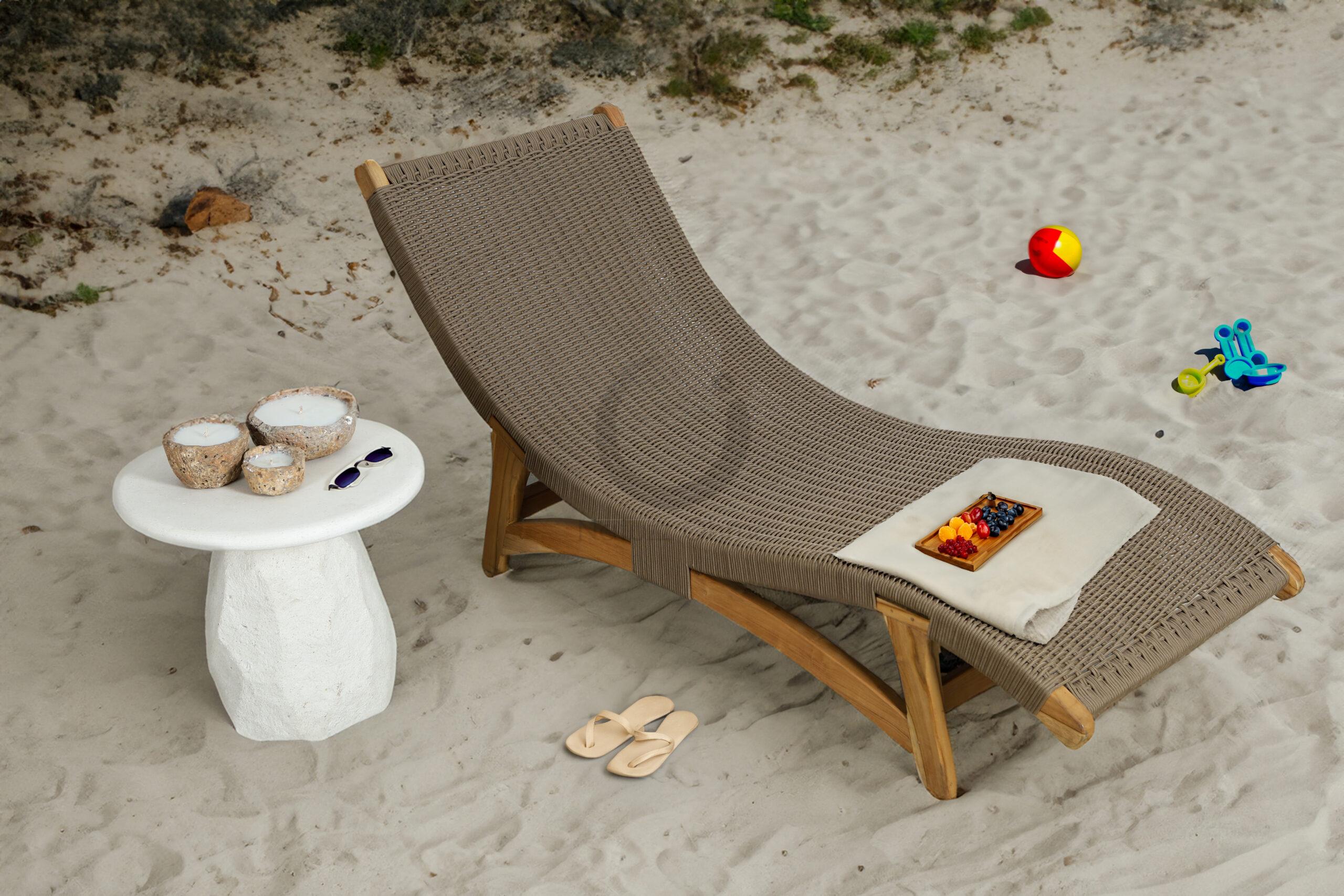
Lounger Furniture Collection Natuzz Ohme
High-quality, responsibly sourced tropical hardwoods like Grade A teak, acacia, and solid mindi absorb treatments evenly, weather predictably, and respond to regular care with decades of sustained beauty. Furniture made from these woods and constructed carefully can even become family heirlooms. Furniture made from lower-grade timber, on the other hand, or wood that has been improperly dried or treated before leaving the factory, will deteriorate regardless of how carefully it is maintained at home.
Sustainable Furniture
This is why the origin and manufacturing standard of your outdoor furniture matters as much as the care routine you follow. Well-made furniture rewards maintenance. Poorly made furniture only shows its limitations more clearly over time.
CONCLUSIONS
Here is something most polishing guides do not tell you: the most important factor in how your outdoor furniture looks and lasts is not the polish you use — it is the quality of the wood underneath.
High-quality, sustainably sourced hardwoods like Grade A teak, acacia, and solid mindi respond exceptionally well to polishing and maintenance. Lower-grade timber, or wood that has been improperly dried or treated at the factory, will deteriorate regardless of how carefully you maintain it.
At Natuzz Ohme, every piece of outdoor furniture is manufactured from responsibly sourced hardwoods, even certified by the Forest Stewardship Council (FSC). Our quality controllers inspect every product before it leaves our factory in Indonesia — ensuring that what reaches your terrace is built to last decades, not seasons.
When you invest in well-manufactured outdoor furniture from the start, polishing and maintenance become much simpler. The wood holds sealers and oils better, resists weathering more effectively, and rewards regular care with decades of beauty.
Natuzz Ohme has exported outdoor hardwood furniture to clients across Europe — from independent retailers, and interior designers, to large-scale hospitality importers — for almost a decade. The clients who return to us season after season do so not because of competitive pricing alone, but because the furniture they purchased is still performing as it should.
That consistency — from forest to factory to finished product — is what we mean when we say we build furniture to last, not to be replaced. And it is the foundation on which every polishing guide, every maintenance schedule, and every care recommendation ultimately rests.
If you are a retailer, importer, or designer sourcing outdoor furniture for the European market, we welcome your visit and look forward to your messages.
References
- Terra Outdoor Living (2026). "Stay Gold: How to Clean Teak Outdoor Furniture." Terra Outdoor Living Blog.
- Hyndman, S. / Homes & Gardens (2024). "How to Clean Teak Outdoor Furniture." Homes and Gardens.
- Country Casual Teak (2024). "Cleaning Teak Furniture Guide — How to Clean Teak Outdoor Furniture." Country Casual Teak.
- Teak Culture (2024). "The Definitive Teak Care and Cleaning Guide." Teak Culture.
- Kusuma Furniture (2022). "A Step-by-Step Guide to Polishing Teak Wood." Kusuma Furniture Blog.
- Forest Stewardship Council (FSC) (2022). "FSC Celebrates Companies' Commitment to Sustainability Through Its 2022 Furniture Awards." FSC International.
- Artisan Furniture Europe (2024). "FSC Certified Wood Furniture — What the Label Means for Retailers." ArtisanFurniture.eu.
- Cyan Teak Furniture (2024). "How to Clean and Restore Teak Outdoor Furniture." Cyan Teak Furniture Care Guide.