Why Sustainability Furniture Wins B2B Trade Deals?
In the world of B2B sustainability furniture, when big companies, like hotel chains or large retailers, buy furniture, the rules for making decisions have changed in recent years. Naturally, price and quality are still important. But now, a third, equally important factor has appeared: sustainability.
Choosing eco-friendly furniture is no longer just a nice idea; it has proven to be a huge advantage that helps suppliers land major deals. Therefore, showing a real commitment to the planet is essential for getting past the buyer's door. This article explains how sustainability works as a strong trade advantage, helping you meet the strict demands of today's corporate buyers.
Related Articles You Might Enjoy
The Corporate Goal: Hitting ESG Targets for Sustainability
The biggest reason companies demand sustainable sourcing is the pressure to meet ESG (Environmental, Social, and Governance) standards. Today, investors and customers expect public and large private companies to show proof that they are taking care of the environment.
In other words, choosing a sustainable furniture supplier is the simplest way for B2B buyers to reach their "E" (Environmental) goals:
Traceable Materials
Natuzz Ohme focus on responsibly sourced, natural materials such as teak wood, rattan, and banana fiber. Consequently, these suppliers can provide clear paperwork showing where every material came from. Buyers must move away from guesswork and choose manufacturers who can prove their materials are handled ethically.
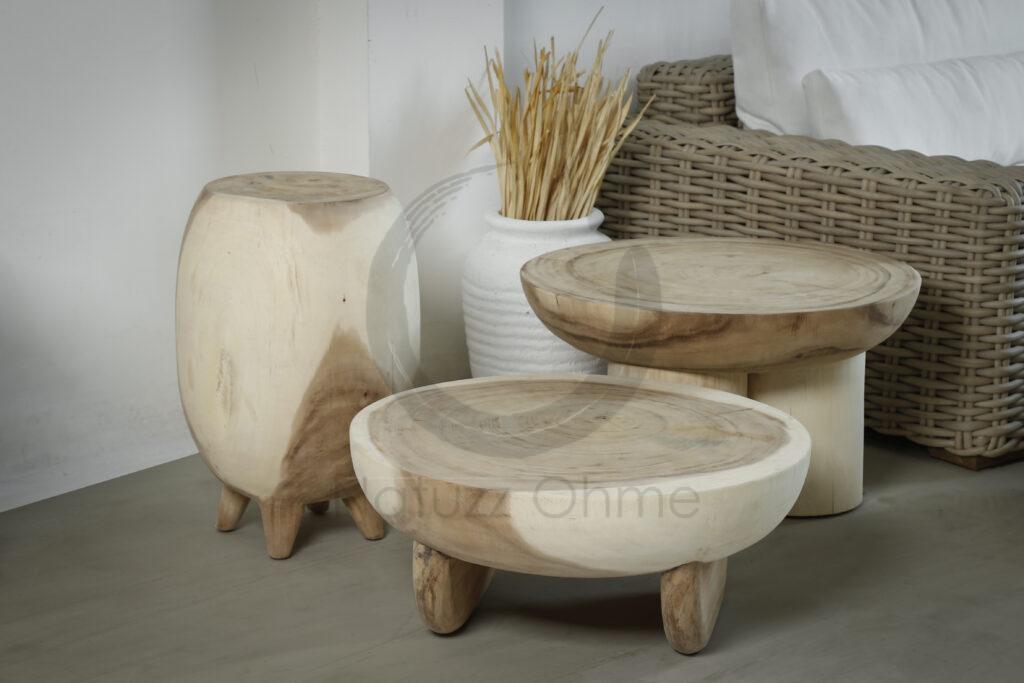
Responsibly sourced natural materials form the foundation of sustainable furniture manufacturing
Less Pollution and Waste
Using materials that are renewable or handcrafted requires less heavy industry. Furthermore, this directly lessens the "hidden pollution" (carbon emissions) of a project. This data is vital for buyers who track their total supply chain impact on the environment.
Official Green Checks
Working with suppliers who use certified materials, for instance, wood backed by FSC certification, adds instant credibility. Moreover, these certified products can earn points toward major building ratings, like LEED. For many big commercial projects, this official check is mandatory.
Proof of Sustainability Quality: Experience and Long-Term Value
Sustainability in B2B is about more than just the raw materials; in addition, it is about the whole process. This process must show Experience and Expertise that lowers risk for the buyer.
First, partnering with established manufacturers, especially those who specialize in traditional, handmade furniture in places like Indonesia, offers amazing durability and lasting style.
Saving Money Over Time
Eco-friendly processes often result in higher-quality products. For example, in high-traffic commercial settings like hotels, furniture must be tough. Durable, natural fibers, when skillfully made by artisans, last longer. Ultimately, this quality saves the buyer money by reducing how often they need to replace items.
The Story of Origin
Buyers want a story that matches their own brand. Therefore, when a supplier can show an ethical supply chain from the local artisan to the final products, it represents trust behind the brand. This story of origin (the unique artistry and use of natural materials) becomes a powerful selling point for the buyer, especially those that embody trust within their values.
Standing Out: Sustainability Defines the Trade Advantage
In B2B, trust is the key to closing big deals. Crucially, sustainability helps build trust in three main ways:
Protecting the Brand
An ethical mistake by a supplier can cause a huge public crisis. By choosing a sustainable partner, the buyer protects their own reputation. A sustainable supply chain is an act of lessening risk.
Standing Out from Rivals
Simply offering a low price isn't enough in a crowded market. Instead, the ability to supply furniture that looks great and yet achieves an organization's ESG standards gives a strong trade advantage that rivals can't copy.
Creating Lasting Partnerships
Sustainability is an increasingly prevalent requirement. Partnerships built on a shared commitment to a green future are stronger and more relevant, leading to successful, long-term business.
Conclusion
For brands that focus on natural, handmade, and ethical products, like Natuzz Ohme, our commitment to sustainability is not a cost, but our main trade advantage. For commercial buyers, choosing eco-friendly furniture is no longer a kind option; it is a business necessity that ensures compliance, lowers risk, builds brand value, and, most importantly, secures the deal.
References
- Melaco. "Sustainability in Furniture. What is it and what are the benefits?" https://www.melaco.com.pl/en/sustainability-in-furniture-what-is-it-and-what-are-the-benefits/
- Wehomz Furniture. "Sustainability Considerations in B2B Furniture Procurement." https://wehomzfurn.com/blogs/decoration-ideas/sustainability-considerations-in-b2b-furniture-procurement-a-comprehensive-guide-for-businesses
- Forest Stewardship Council. "The Value of FSC® for Furniture." https://fsc.org/sites/default/files/2022-06/the-value-of-fsc-for-furniture-july2020-web-version.pdf
- PlanBe Eco. "Sustainable Furniture Supply Chains: How to Measure and Reduce the Carbon Footprint." https://planbe.eco/en/blog/sustainable-furniture-supply-chains-how-to-measure-and-reduce-the-carbon-footprint-in-the-furniture-industry/
- AIP Conference Proceedings. "Analysis of Green Supply Chain Management Application in Indonesian Wood Furniture Industry." https://pubs.aip.org/aip/acp/article-pdf/doi/10.1063/1.5042906/14004971/020050_1_online.pdf