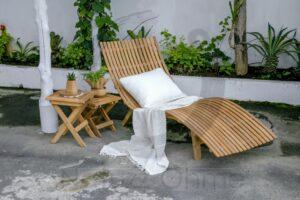
Shipping Furniture Internationally? Here's What You Need to Know
When it comes to shipping furniture across international borders, the process is far more complex than simply boxing up your items and sending them abroad. Every year, billions of dollars' worth of furniture is shipped worldwide, and behind every well-crafted chair or flat-packed table that arrives at a foreign port is a carefully orchestrated chain of logistics. Understanding how shipping furniture actually works is crucial if you want to avoid costly mistakes, damaged goods, or lengthy delays at customs. In this comprehensive guide, we'll walk you through everything you need to know about shipping furniture internationally, from choosing the right freight forwarder to navigating customs regulations and protecting your investment during transit.
Whether you're a buyer sourcing furniture from Southeast Asia, an importer looking for the most cost-efficient method, or a furniture brand like Natuzz Ohme reaching international markets with sustainable and natural-material pieces, understanding the mechanics of international furniture are considered essential.
This article answers the most important questions about international shipping furniture, backed by verified industry data and real export expertise.
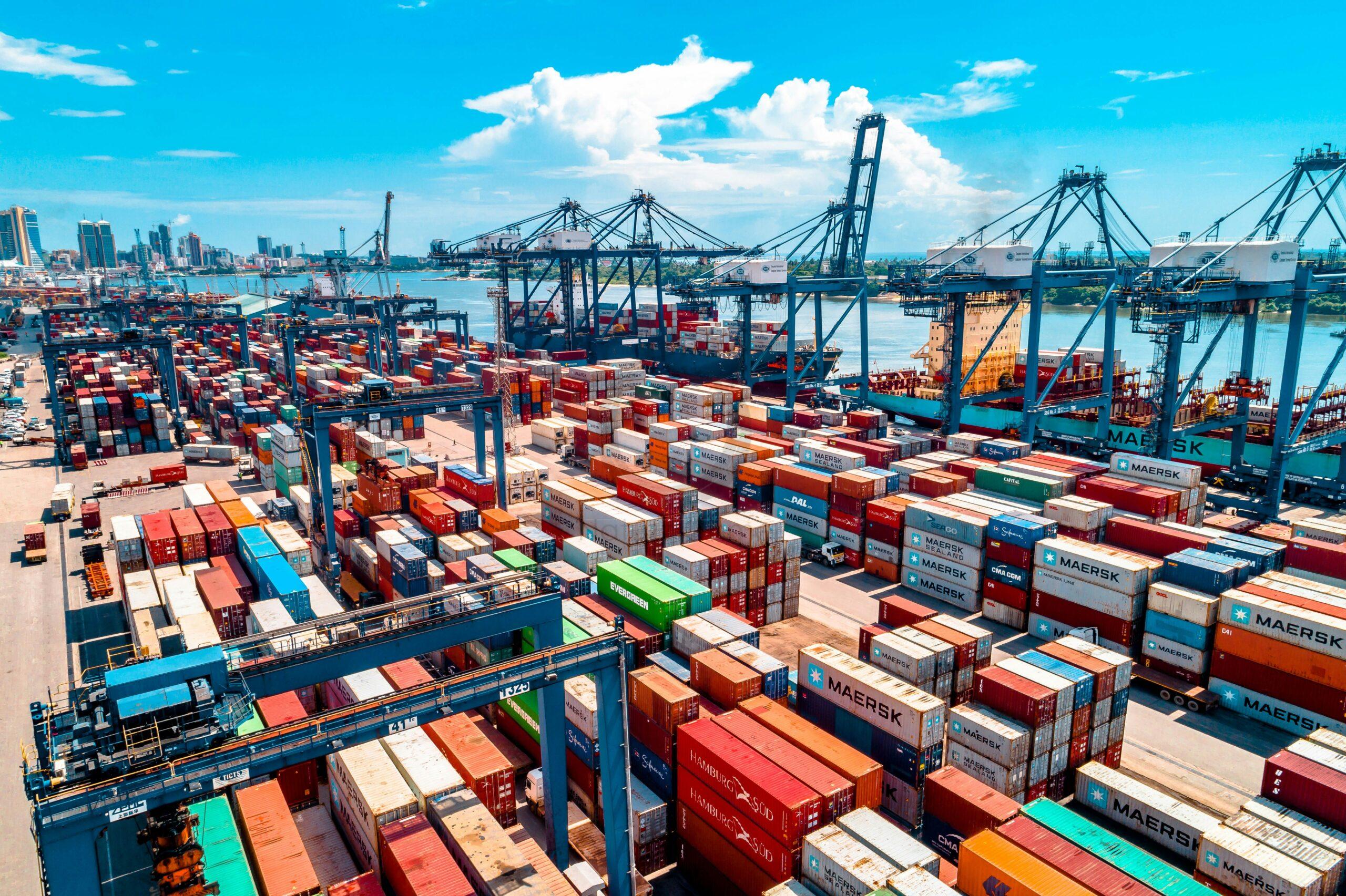
Photo by Ali Mkumbwa on Unsplash
Why Does Shipping Furniture Internationally Still Rely on Sea Transport?
In an age of same-day drone deliveries and supersonic jets, you might wonder why the furniture industry still puts its trust in cargo ships that take weeks to cross an ocean. The answer is rooted in economics, physics, and practicality.
Get more inspiration!
Volume and Weight Make Air Freight Impractical
Furniture, by its nature, is bulky. A single sofa can weigh over 80 kg. A dining set might span 2 cubic meters or more. Air freight charges are calculated by either actual weight or volumetric weight, making even lightweight furniture pieces extraordinarily expensive to ship by plane.
By contrast, ocean shipping charges by container space. A standard 20-foot container (TEU) can hold roughly 25–28 cubic meters of cargo, while a 40-foot container (FEU) holds approximately 55–60 cubic meters. For furniture exporters, this translates into a cost per unit that is often 5 to 10 times cheaper than air freight.
Infrastructure Built for Bulk Trade
The global shipping infrastructure, like ports, container terminals, and freight forwarding networks, has been built over decades specifically to handle bulk, high-volume trade. Major Indonesian ports such as Tanjung Priok (Jakarta), Tanjung Perak (Surabaya), and Makassar have direct shipping lanes to Europe, North America, the Middle East, and Australia.
Environmental Load Compared to Air
While ocean shipping isn't without environmental impact, it produces significantly fewer CO₂ emissions per ton-kilometer than air cargo. For sustainable furniture brands committed to environmental responsibility, we, Natuzz Ohme, prefer sea freight options for both cost-effectiveness and the environment. Sea freight remains the more responsible mass-transport option.
Knockdown Furniture: The Sea Freight Advantage
Furniture manufacturers who specialize in knockdown (KD) or flat-pack designs gain even more from sea shipping. KD furniture maximizes container space efficiency, dramatically reducing the cost per unit shipped. This is one of the core strategic advantages that companies like us, Natuzz Ohme, have built into our product design philosophy, where a furniture product that ships smart without sacrificing craftsmanship or sustainability.
KEY TAKEAWAY
Sea freight dominates international furniture logistics because it offers unmatched cost efficiency for high-volume, bulky goods — and it aligns with sustainable business practices better than air transport.


How Long Does It Take to Shipping Furniture from Indonesia to Another Country?
The export timeline for Indonesian furniture varies based on destination, documentation readiness, and the manufacturer's production status. Here is a realistic, experience-based breakdown of the entire process:
Pre-Shipment Phase: 2–6 Weeks
| STAGE | DURATION | DETAILS |
|---|---|---|
| Production / Stock Preparation | 2 - 6 Weeks | Depending on whether goods are ready-made or custom order |
| Quality Control (QC) | 3 - 5 Days | Internal QC + optional third-party inspection (e.g., SGS, Bureau Veritas) |
| Documentation Preparation | 3 - 7 Days | Commercial invoice, packing list, certificate of origin, phytosanitary cert (for wood) |
| Custom Export Clearance | 1 - 3 Days | Managed by licensed customs broker (PPJK) in Indonesia |
| Port Loading | 1 - 2 Days | Container stuffing and port gate-in |
Ocean Transit Times from Indonesia
| DESTINATION | Estimated Transit Time |
|---|---|
| Singapore / Malaysia | 3–5 days |
| Australia | 10–14 days |
| Middle East (Dubai/Jeddah) | 18–25 days |
| Europe (Rotterdam/Hamburg) | 25–35 days |
| USA East Coast | 30–40 days |
| USA West Coast | 20–28 days |
| Japan / South Korea | 7–14 days |
Post-Arrival Phase: 1–2 Weeks
Upon arrival, the importer handles customs clearance in their country. This typically takes 3–10 business days, depending on the destination country's customs efficiency and whether documentation is complete and compliant.
Total Realistic Time
For a standard B2B furniture export from Indonesia to Europe or North America, you should budget 6–12 weeks end-to-end from order confirmation to delivery at the destination warehouse.
Pro Tip
Working with furniture manufacturers who already have export experience and pre-prepared documentation, like us, Natuzz Ohme, a specialized furniture supplier with a chain supply to international and local markets significantly reduces pre-shipment delays.

Photo by CHUTTERSNAP on Unsplash
International Shipping Furniture Companies: Sea Freight vs. Air Freight — A Real Cost Comparison
Cost is one of the most critical factors in international furniture logistics. Below is the transparent comparison.
Major International Sea Freight Carriers for Shipping Furniture
These shipping lines operate regular routes from Indonesian ports and are commonly used for furniture exports:
| Material | Sustainability Rating |
|---|---|
| Maersk Line | Largest global carrier; reliable schedules to Europe and the Americas |
| MSC (Mediterranean Shipping Company) | Wide network; competitive rates for Asia–Europe routes |
| CMA CGM | Strong on Asia–Middle East–Africa lanes |
| Evergreen Marine | Competitive Asia–Pacific and transpacific rates |
| PIL (Pacific International Lines) | Strong Southeast Asia and intra-Asia coverage |
| OOCL | Reliable for Asia–Europe routes with good tracking |
Note
Rates fluctuate significantly based on global supply-demand, fuel surcharges (BAF), and peak seasons (typically Q3–Q4). Always request current spot rates through a licensed freight forwarder.
Cost Comparison: Sea vs. Air Freight for Shipping Furniture
| Factor | Sea Freight (FCL/LCL) | Air Freight |
|---|---|---|
| Cost per CBM | $30–$150 (varies by route) | $500–$1,200+ per CBM equivalent |
| Cost per kg | Low (volumetric pricing favors heavy goods) | Very high |
| Transit time | 2–6 weeks | 3–10 days |
| Suitable for | Large shipments, bulk B2B orders | Urgent, small, high-value samples |
| Environmental impact | Moderate | High (CO₂ per ton-km ~47x more than sea) |
| Furniture suitability | Excellent | Poor for bulky items |
When Air Freight Makes Sense for Shipping Furniture
Air freight is occasionally used for:
- Sending product samples to overseas buyers
- Shipping small, high-value decorative items (e.g., handcrafted accessories)
- Urgent replacement parts for commercial hospitality projects
For full production orders, sea freight wins decisively on cost.
Bottom Line
Sea freight is 5–10x cheaper than air freight for furniture. For Indonesian furniture exporters targeting Europe, the USA, or the Middle East, ocean shipping is the only commercially viable option for regular B2B volume.
However, that means that ordering furniture from the source requires good planning and advanced payment to ensure adequate time allocated for the goods at sea.
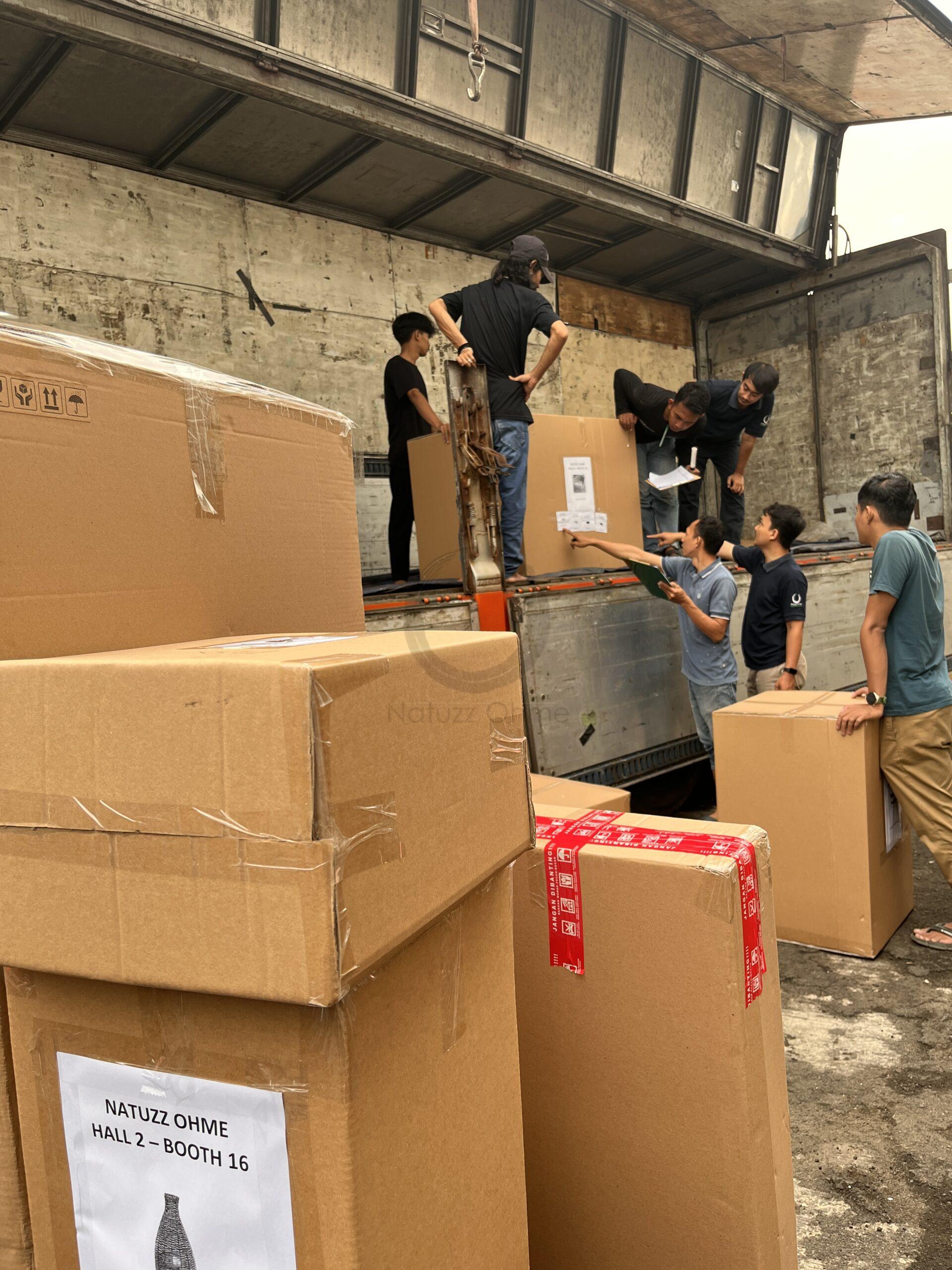
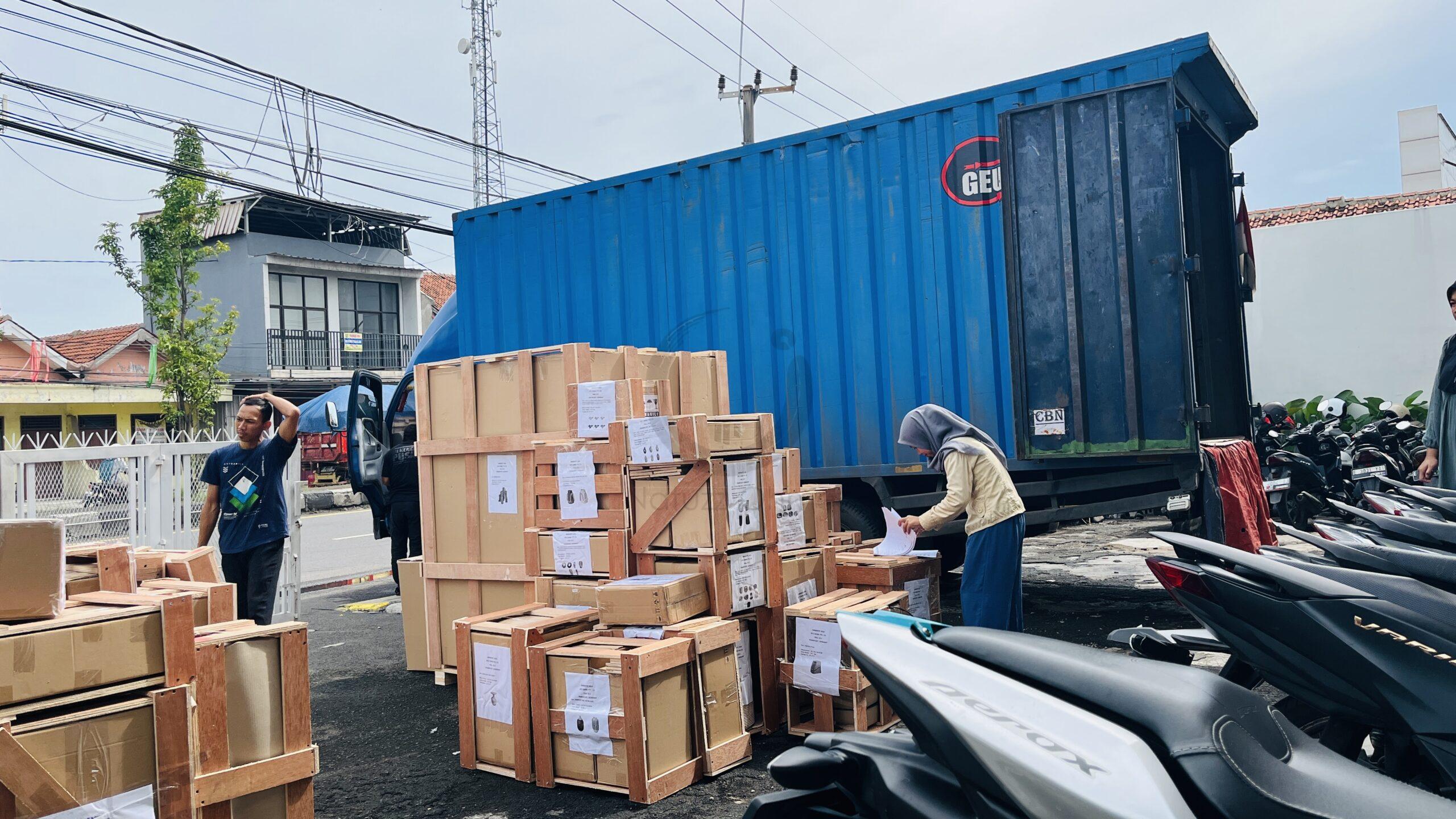
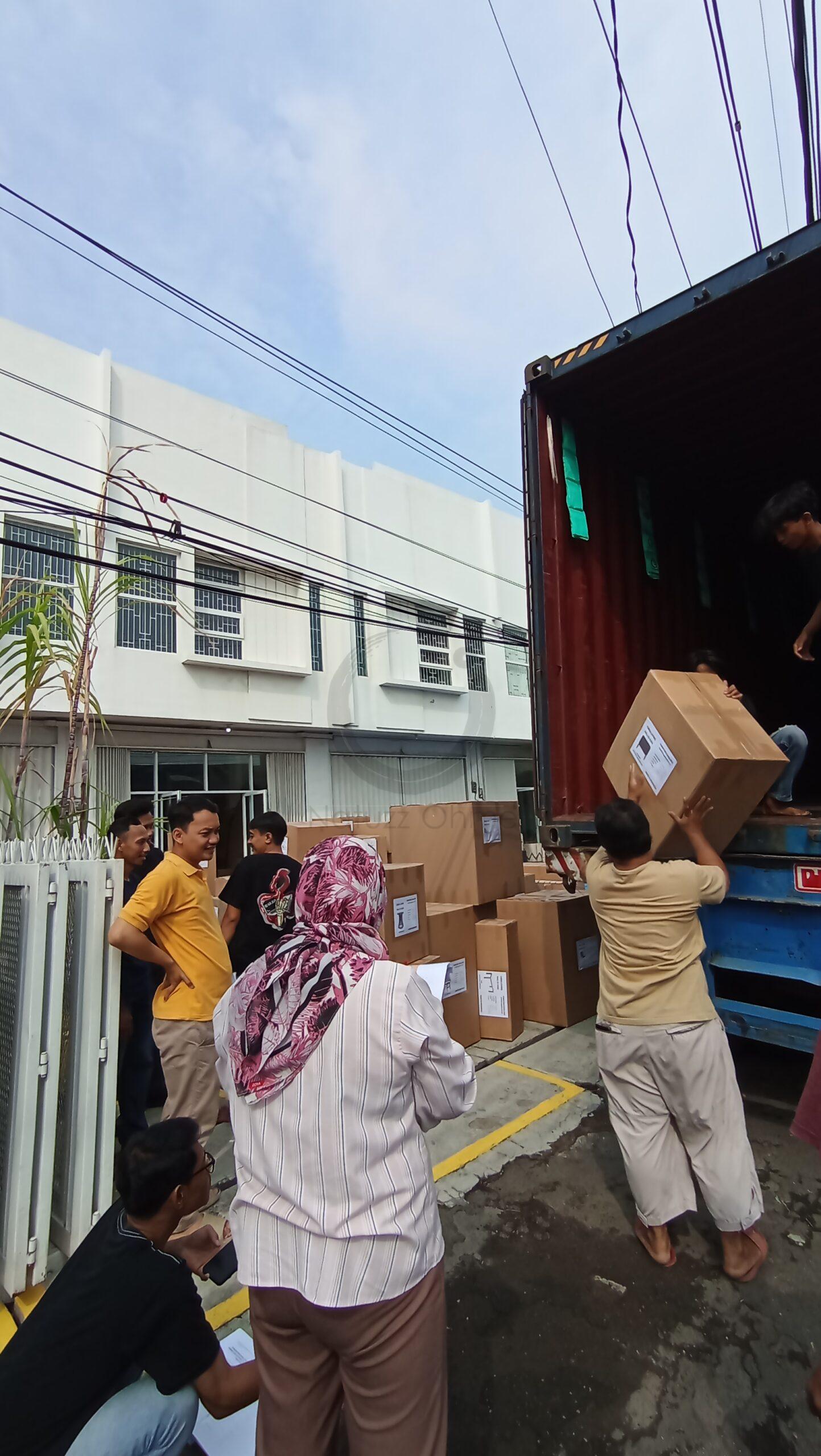
Natuzz Ohme Furniture Shipped Internationally
What Are the International Regulations for Shipping Furniture?
Navigating international trade regulations for furniture is one of the most overlooked — and most critical — aspects of exporting. Non-compliance can lead to shipment delays, fines, or cargo rejection at destination ports.
CITES: Convention on International Trade in Endangered Species
If your furniture is made from tropical hardwoods (teak, rosewood, merbau, etc.), CITES regulations may apply. Certain timber species are restricted or require CITES export permits. In Indonesia, this is managed under coordination with the Ministry of Environment and Forestry (KLHK).
Key Action
Ensure your manufacturer can provide a SVLK (Sistem Verifikasi Legalitas Kayu) certificate, Indonesia's mandatory timber legality verification system, recognized by the EU's EUTR (EU Timber Regulation) and FLEGT (Forest Law Enforcement, Governance and Trade) frameworks.
Phytosanitary Certificate (for Solid Wood)
Most countries require a phytosanitary certificate issued by Indonesia's Ministry of Agriculture for furniture made from solid wood. This certifies that the wood has been treated to prevent pests (typically via heat treatment or methyl bromide fumigation) and meets the importing country's biosecurity requirements, including standards under ISPM-15 (International Standards for Phytosanitary Measures).
- EU Regulations
- REACH Regulation: Restricts the use of certain hazardous substances in products, including chemical coatings and surface treatments. Furniture sold in the EU must comply.
- EUTR (EU Timber Regulation): Requires importers to demonstrate that timber products entering the EU come from legally harvested sources.
- CE Marking: Applicable for certain furniture categories (e.g., children's furniture, structural components).
- US REGULATIONS
- Lacey Act: Prohibits trade in illegally sourced plants and plant products, including wood. US importers must declare the scientific name and country of harvest of wood species.
- CPSC Standards: The Consumer Product Safety Commission sets safety standards for furniture, particularly for items used by children.
- Anti-Dumping Duties: Indonesian furniture exports to the US are subject to anti-dumping review in some product categories — always verify current duty rates with a licensed customs broker.
Incoterms: Who Is Responsible?
International shipments operate under Incoterms (International Commercial Terms) published by the International Chamber of Commerce (ICC). The most common for furniture exports are:
| Incoterm | Seller Responsibility | Buyer Responsibility |
|---|---|---|
| EXW (Ex Works) | None beyond making goods available | Everything |
| FOB (Free on Board) | Until goods are on vessel | From port of origin |
| CIF (Cost, Insurance, Freight) | Until destination port | Import duties + delivery |
| DDP (Delivered Duty Paid) | Everything including duties | Nothing |
Most Indonesian furniture manufacturers operate on FOB (Free on Board) terms. Some smaller Indonesian furniture or handicraft suppliers work on EXW terms, which some manufacturers like Natuzz Ohme could help to consolidate these goods and ship all together.
Important:
Always verify the specific regulatory requirements of your destination market before shipping furniture. Working with a licensed freight forwarder and customs broker in both the export and import countries is strongly recommended.
Sustainable Furniture and Indonesia's Export Leadership, and Where Natuzz Ohme Fits In
Indonesia is one of the world's top furniture exporters, with annual exports exceeding $2.8 billion USD (Indonesian Ministry of Trade, 2023). The country's competitive edge has historically been rooted in rich natural timber resources, skilled craftsmanship, and competitive manufacturing costs.
But the landscape is shifting. Global buyers — particularly in Europe and North America — are no longer just asking "how much does it cost?" They're asking: "How was it made? What was it made from? Is it safe for my home and the planet?"
This shift in buyer behavior is driving demand for sustainable furniture to unprecedented levels. And Indonesian manufacturers who understand this are capturing a growing share of the global market.
Natuzz Ohme: Indonesian Sustainable Furniture, Built Different
Natuzz Ohme is an Indonesian furniture manufacturer and factory that embodies exactly what the international market is looking for — and more.
Here's what makes Natuzz Ohme stand apart in the global furniture export space:
🌿 Natural Materials
Natuzz Ohme works exclusively with natural materials — wood, rattan, bamboo, and other organic sources — sourced with environmental accountability. This directly addresses REACH compliance in the EU and responds to the increasing demand from European and American buyers for chemical-free furniture.
🔩 Knockdown (KD) Furniture Specialization
Every piece in the Natuzz Ohme range can be designed as knockdown furniture — meaning it disassembles for shipping and reassembles at the destination. This design approach dramatically reduces shipping volume, cuts freight costs for buyers, and minimizes packaging waste. It is the most commercially and environmentally efficient way to ship furniture internationally.
Unfinished Texture, Chemical-Free
Natuzz Ohme products feature an unfinished, raw-texture aesthetic — intentionally left without chemical coatings or synthetic surface treatments. This isn't a design compromise; it's a conscious choice that aligns with:
- Growing consumer preference for organic, natural aesthetics
- EU REACH regulations that restrict hazardous chemical substances
- The health-conscious interior design movement (biophilic design)
📦 Export-Ready Manufacturing As a factory with international shipping furniture experience
Natuzz Ohme understands the documentation, certification, and packaging requirements that make customs clearance smooth in destination markets. SVLK-certified timber, proper phytosanitary compliance, and export-grade packaging are built into the production process.
🌏 For Buyers and Importers
Whether you are a furniture retailer in Europe looking for an ethical supply chain, an interior designer in Australia sourcing natural materials, or a hospitality group building a sustainable property concept — Natuzz Ohme is built to be your manufacturing partner.
CONCLUSIONS
International shipping furniture is a sophisticated, multi-layered process, but it is entirely navigable with the right knowledge and the right manufacturing partner. Sea freight remains the backbone of global furniture trade for reasons that are economic, logistical, and increasingly environmental. Indonesia, with its world-class craftsmanship and rich material heritage, sits at the center of this trade.
The future of this industry belongs to manufacturers who understand not just how to build furniture, but how to build it responsibly — with sustainable materials, chemical-free finishes, and designs optimized for global shipping furniture.
We at Natuzz Ohme are exactly that kind of manufacturer.
If you're looking to source, import, or partner with a sustainable furniture factory in Indonesia that ships globally with professionalism and integrity — start the conversation.
References
- UN Comtrade Database — Indonesian Furniture Export Statistics
- IMO (International Maritime Organization) — Emissions & Shipping Data
- ICC Incoterms® 2020 — International Chamber of Commerce
- CITES Appendices — Convention on International Trade in Endangered Species (Official Appendices I, II & III)
- CITES Appendices — Convention on International Trade in Endangered Species (CITES and Timber Guide)
- ISPM-15 — International Plant Protection Convention
- EU EUTR & FLEGT Framework — European Commission
- US Lacey Act — USDA Animal and Plant Health Inspection Service