What is Live Edge Furniture? Pricey, Imperfect, Yet Irresistible Piece of Furniture, Discover Why.
Live edge furniture has transformed from a niche woodworking style into a mainstream design choice for cafes, hotels, offices, and modern homes. The market reflects this growth, for example, the US luxury furniture segment reached $9.97 billion in 2025, with live edge pieces representing a significant portion of custom furniture demand (Moruxo, 2025).
If you're a furniture retailer, hospitality business owner, or property developer, understanding this furniture category can help you meet growing customer demand for natural, distinctive pieces.
Get more inspiration!
What is Live Edge Furniture?
Live edge furniture features wood with its natural, uncut edge preserved along one or both sides of the piece. Unlike standard furniture where all edges are straight and uniform, live edge pieces keep the tree's original shape, including the bark line, natural curves, and organic contours.
Picture a dining table where one side follows the natural wavy edge of the tree trunk. That's live edge. The result is furniture where no two pieces look alike, even if from the same tree, as each piece carries the unique character of its source tree.
Common live edge furniture pieces include:
- Dining tables and conference tables
- Coffee tables and side tables
- Desk tops and workbenches
- Shelving and mantels
- Bar tops and countertops
- Headboards and benches
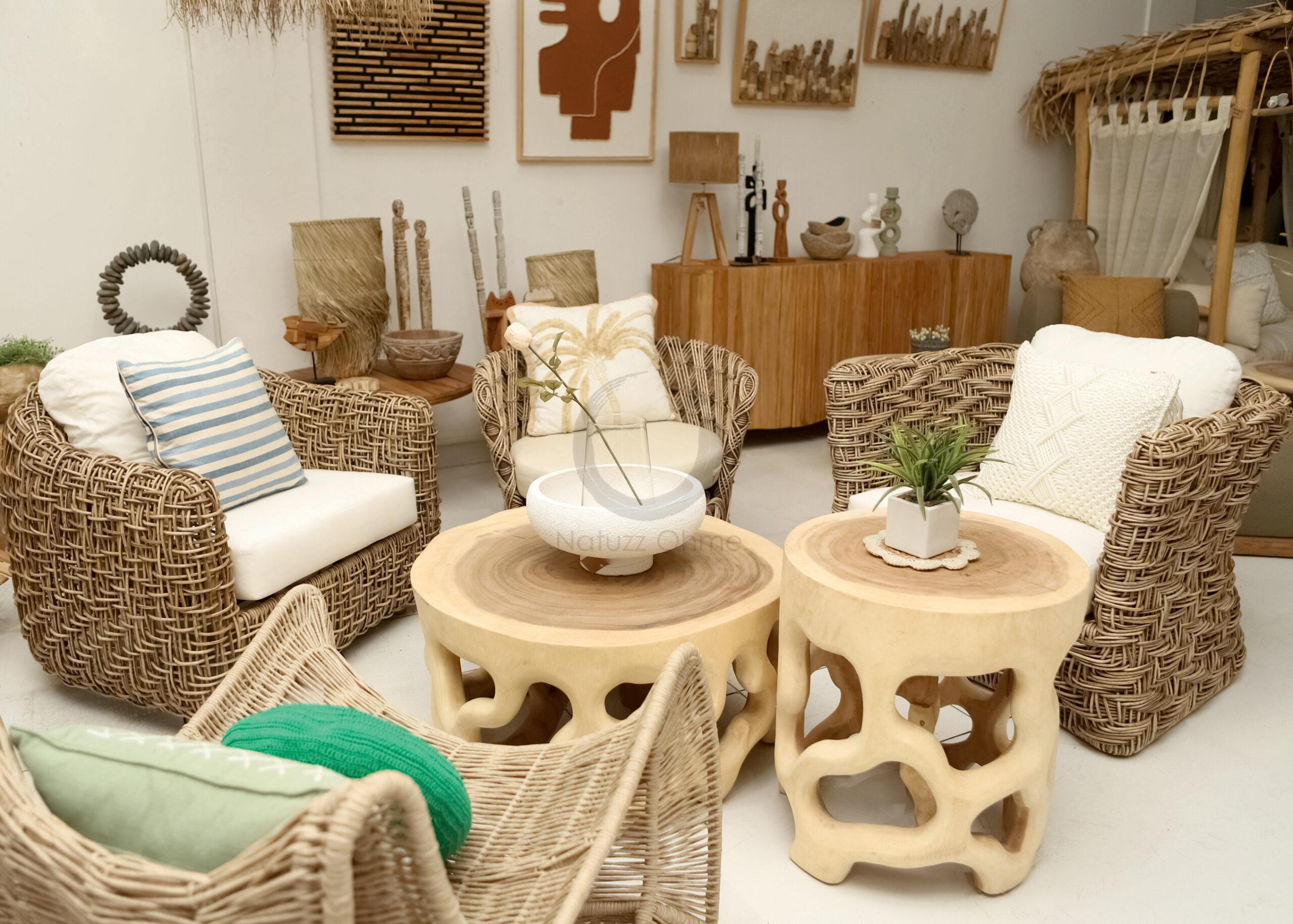
Natuzz Ohme Collection, Our Showroom Have Collection of Live Edge Furniture (1)
Why is Live Edge Furniture So Expensive?
Live edge furniture typically costs more than conventional furniture for several practical reasons. According to industry data, live edge dining tables typically range from $2,000 to $15,000, with custom commissions exceeding $20,000 for premium pieces (Lancaster Live Edge, 2025; Moruxo, 2025).
Here's why:
-
Material Selection
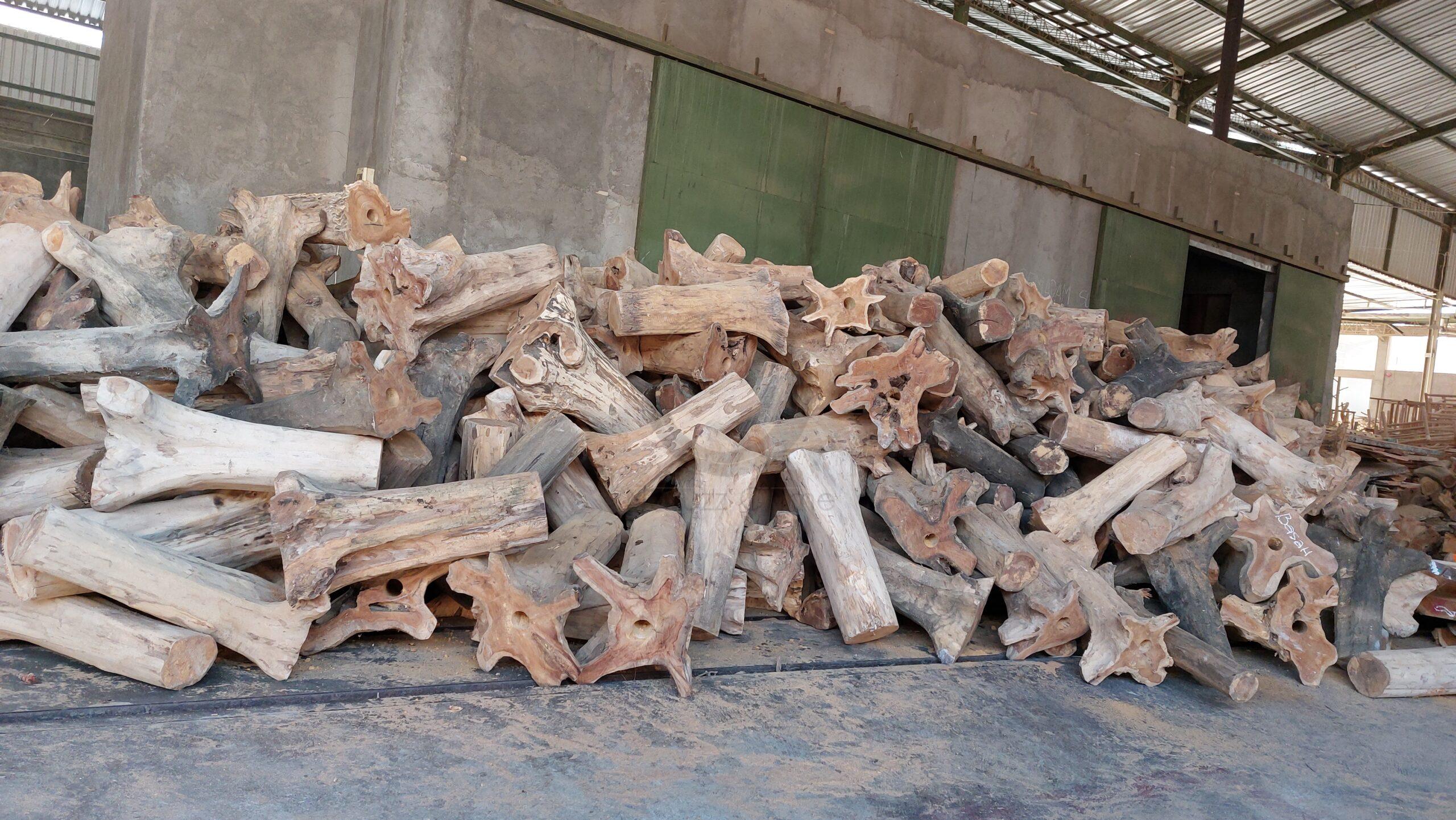
Craftsmen need wider, thicker wood slabs or even whole logs to create live edge pieces. A standard table might use boards 6-8 inches wide, but a live edge table usually requires a single slab 24-40 inches wide. These large slabs come from mature trees and represent a small percentage of available lumber, making them scarcer and more expensive.
-
Labor-Intensive Process
Creating live edge furniture takes significantly more time than standard pieces. Each slab requires careful selection, lengthy drying (often 6-12 months), extensive sanding to preserve the natural edge, and precise finishing to stabilize the wood while maintaining its organic appearance.
-
Customization Factor
Because each live edge slab is unique, most pieces are made-to-order or in small batches. This artisan approach lacks the cost savings of mass production, but delivers one-of-a-kind furniture that becomes a focal point in any space.
-
Specialized Skills
Required Working with live edge wood demands expertise in reading wood grain, managing natural imperfections, and stabilizing irregular edges. These skills command hours of craftsmanship from experienced woodworkers, fetching a premium.
For commercial buyers, the investment often pays off through customer attraction and memorable spaces that stand out from competitors.
Why is it Called Live Edge Wood?
The term "live edge" refers to keeping the wood's natural edge "alive" or intact, rather than cutting it away. While furniture maker George Nakashima is credited with popularizing the term "live edge furniture" in 1946, the technique dates back to the 1600s when American log cabin settlers used natural-edge wood for practical furniture (GL Veneer, 2024).
In traditional lumber processing, sawmills remove the outer edges (including bark and sapwood) to create uniform boards with straight, dead edges.
Live edge preserves the transition zone between the tree's bark and heartwood—the living boundary of the tree when it was still growing. This edge tells the story of the tree's life: how weather shaped its growth, where branches emerged, and the unique character it has developed over decades.
Some woodworkers also call this style:
- Natural edge
- Raw edge
- Waney edge (traditional term)
The "live" terminology emphasizes that you're seeing the tree's actual outline, frozen in time, rather than an artificial straight cut.
Is Live Edge Furniture Still Popular?
Yes, live edge furniture remains highly popular in 2025, though the market has evolved from its peak hype around 2015-2020. Current trends show:
Sustained Commercial Demand Hotels, restaurants, and cafes continue choosing live edge pieces for reception desks, dining areas, and bar tops. The style aligns with biophilic design principles, where bringing natural elements indoors to create calming, distinctive environments that guests remember matters.
Research shows the impact is measurable: biophilic hotel spaces saw 36% more guest engagement, and guests were twice as likely to leave positive reviews mentioning their "experience"
— Ambius, 2024.
Restaurant and commercial establishments remain major contributors to the live edge market.
— Furniture Today, 2015.
Residential Market Maturity Homeowners now view live edge furniture as a classic choice rather than a passing trend.
The US custom furniture market reached $36.2 billion in 2024 and is growing at an 11.2% annual rate, with natural wood and live edge pieces taking center stage at major industry events like High Point Market
— Moruxo, 2025; Furniture Land South, 2024.
The market has stabilized with consistent demand, particularly for dining tables and home office desks.
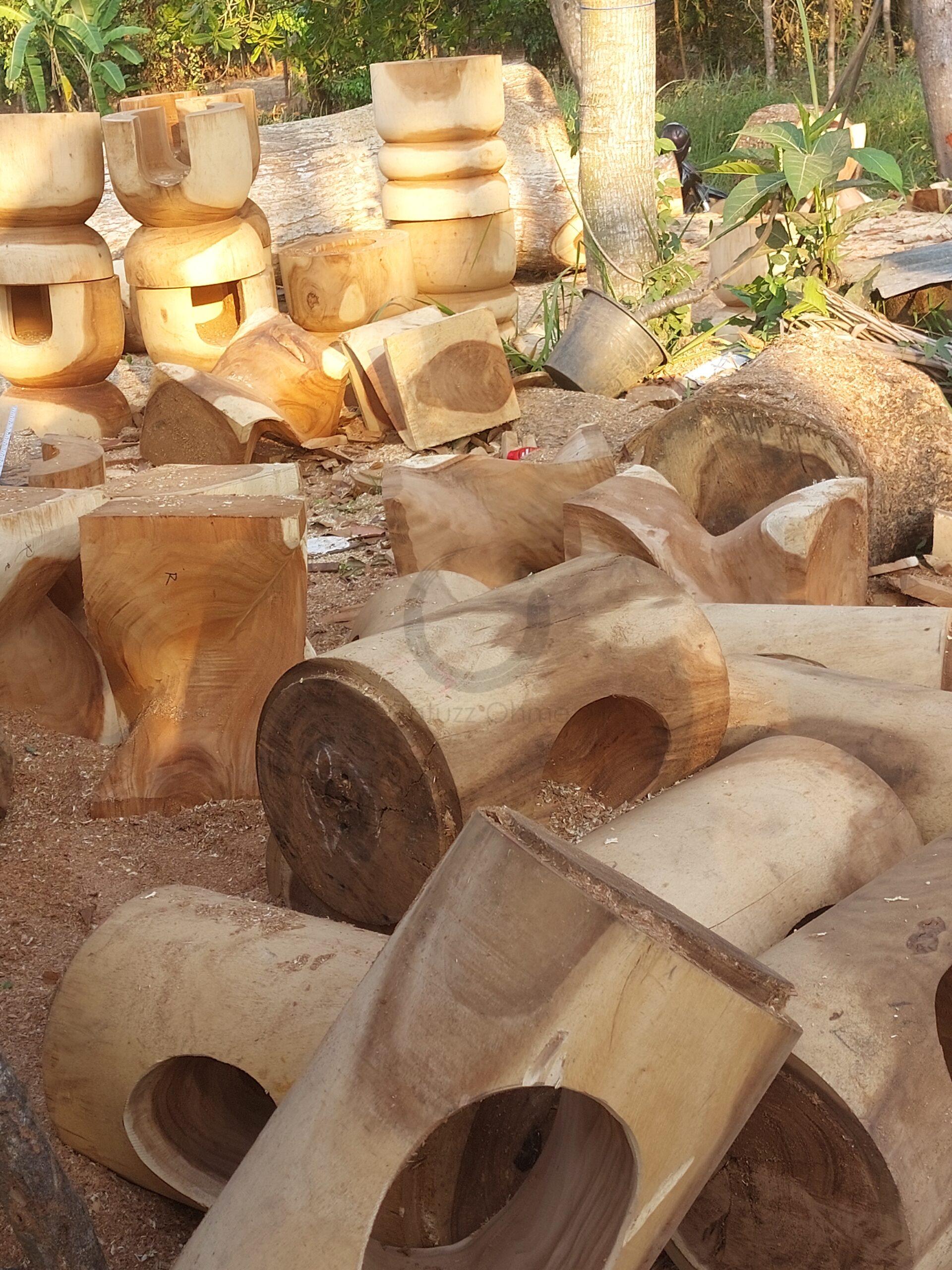
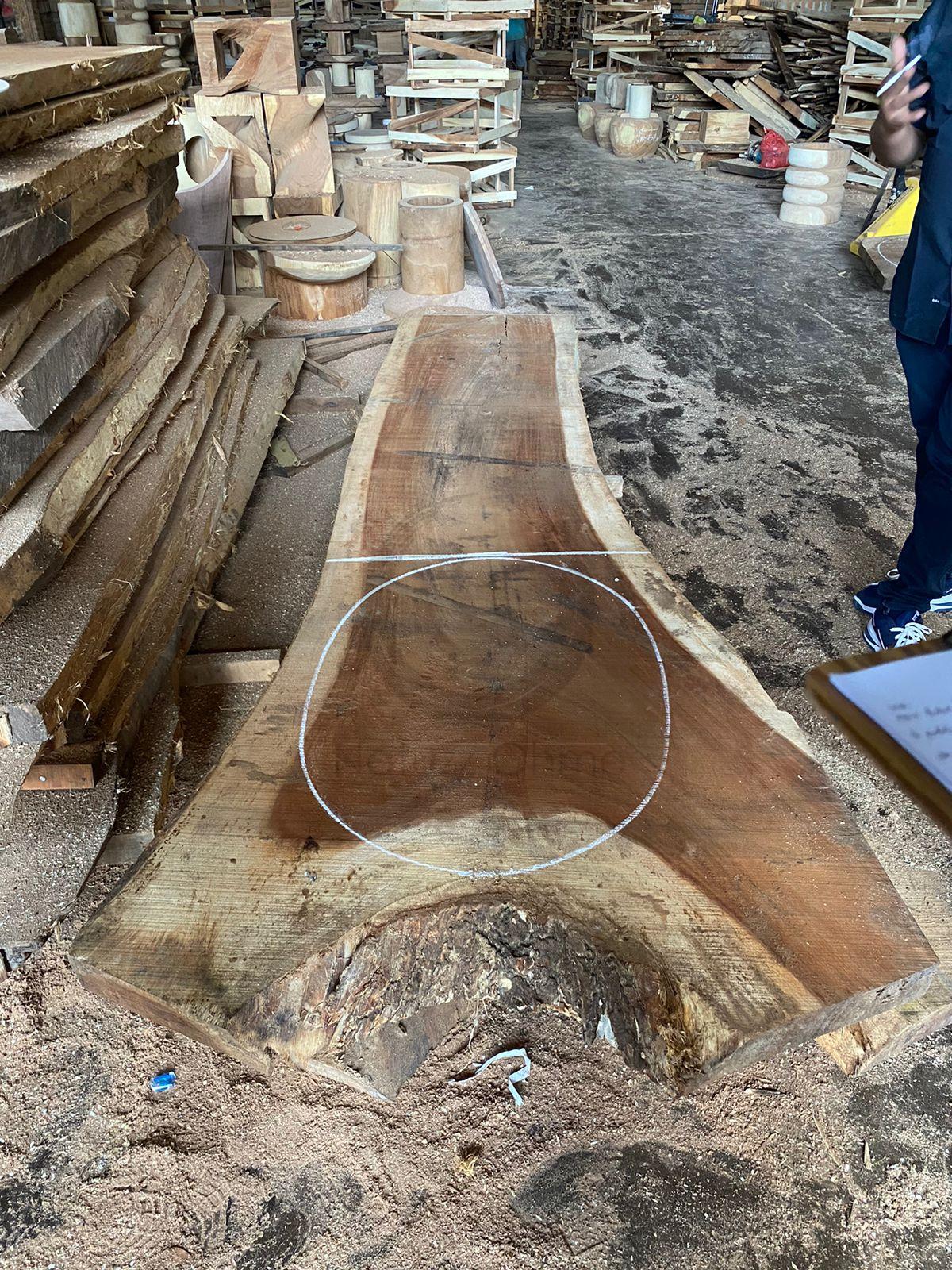
We keep the originality of the wood grain.
Design Evolution Today's live edge furniture often features:
- Cleaner, more refined finishes compared to rustic early styles
- Mixed materials (metal bases, glass inserts, resin fills), epoxy river tables are particularly trending in 2025 (Moruxo, 2025)
- Smaller accent pieces like shelves and side tables
Practical Considerations for Buyers
While live edge furniture shows staying power, commercial buyers should consider:
- Maintenance requirements (regular oiling, protection from moisture)
- Space compatibility (works best in rooms with ample space to showcase the piece)
- Design cohesion (pairs well with industrial, modern, or organic interior styles)
The consensus among designers and retailers indicates live edge furniture has moved beyond trend status into an established category with enduring appeal.
Making the Right Choice for Your Space
Live edge furniture offers commercial and residential spaces a way to incorporate authentic natural beauty and create memorable environments. Research indicates that biophilic design elements like live edge furniture can improve workplace productivity by 6% and creativity by 15% (Human Spaces via Grado Design, 2025).
For furniture retailers, stocking select live edge pieces can attract design-conscious customers willing to invest in distinctive furnishings. For hospitality businesses and developers, these pieces serve as conversation starters and brand differentiators.
The key is choosing quality pieces from reputable craftsmen, understanding the maintenance requirements, and ensuring the natural aesthetic aligns with your overall design vision. When selected thoughtfully, live edge furniture delivers both visual impact and lasting value.
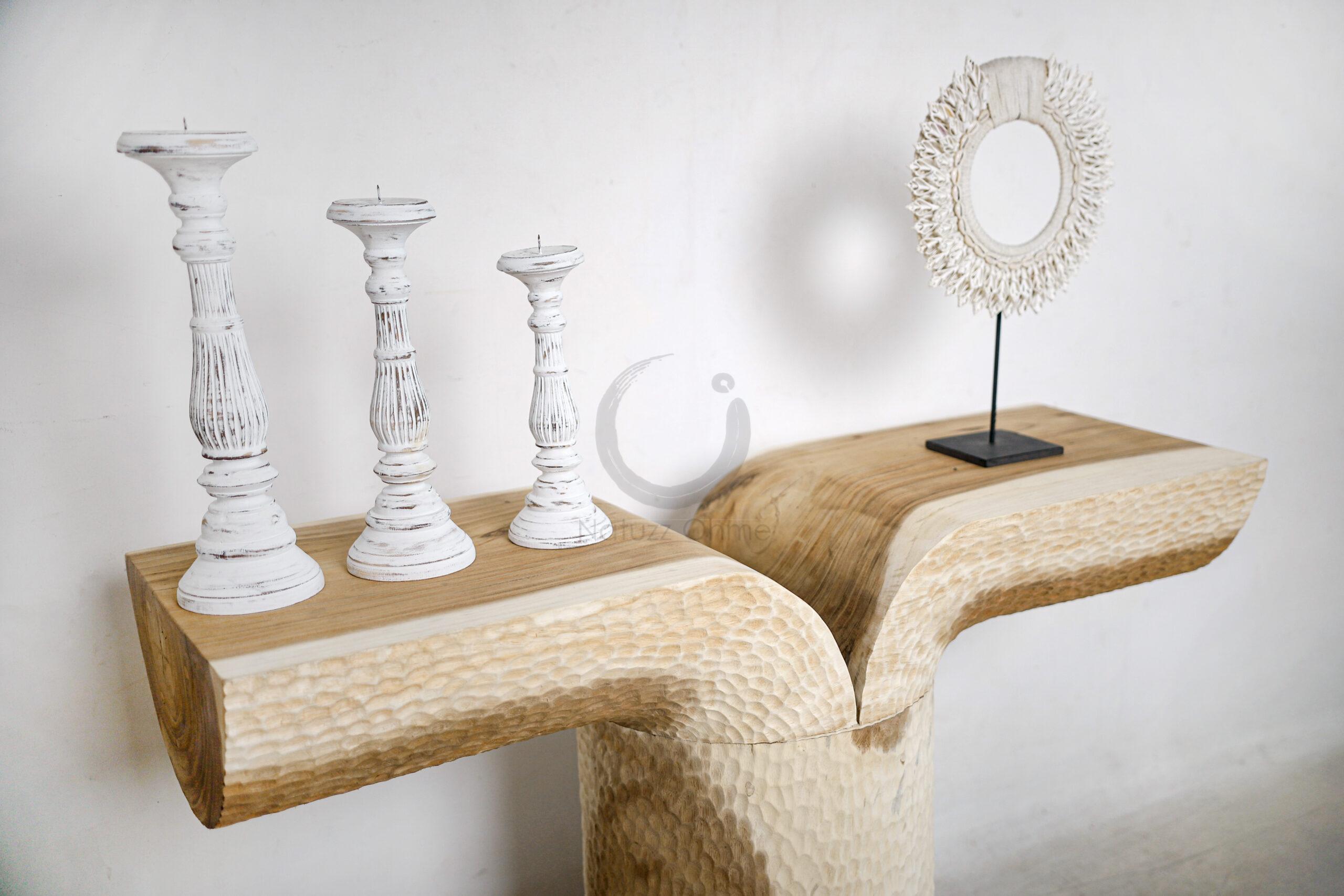
Natuzz Ohme Collection of Living Edge Furniture (2)
Sustainable Live Edge Furniture with Natuzz Ohme (CONCLUSIONS)
At Natuzz Ohme, we bring together the timeless beauty of live edge furniture with responsible manufacturing practices. As an Indonesia-based sustainable furniture manufacturer with almost 10 years of experience, we specialize in creating live edge pieces using natural materials sourced from eco-friendly plantations.
Our commitment to sustainability is backed by FSC certification and ethical production standards. Every live edge table, desk, or custom piece we create reflects our belief in living harmoniously with nature—combining the authentic character of natural wood edges with environmentally conscious craftsmanship.
If you're a furniture retailer looking for reliable live edge suppliers, a hotel seeking distinctive sustainable furnishings, or a developer furnishing commercial spaces with eco-conscious design.
Natuzz Ohme Offers:
- Custom live edge designs from responsibly sourced hardwood
- Pick and choose your very own live-edge slab
- FSC-certified sustainable materials
- Global shipping capability
- Direct manufacturer pricing
We understand that choosing live edge furniture is an investment in both aesthetics and values. That's why we ensure every piece meets the highest standards of craftsmanship while minimizing environmental impact.
References
- Moruxo. (2025). "Wood Furniture Market 2025: Statistics, Trends & Insights."
- Moruxo. (2025). "Live Edge Design Trends 2025."
- Lancaster Live Edge. (2025). "Live Edge Table Cost Guide."
- Ambius. (2024). "Hotels and Biophilic Design Report."
- GL Veneer. (2024). "Live Edge Furniture 101."
- Furniture Land South. (2024). "Furniture Trends 2024."
- Grado Design. (2025). "The Rise of Biophilic Furniture in Interior Design."
- Furniture Today. (2015). "The Rise of Live Edge Wood Furniture."